
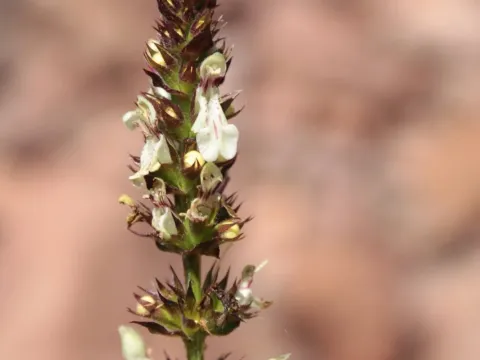
Stachys recta
Stachys recta
Stachys recta, commonly known as the yellow woundwort, is a hardy perennial belonging to the Lamiaceae family. The primary method of establishment is through seed sowing in prepared soil during the early spring season.
What the section contains
Stachys recta
Seeds are sown at a shallow depth of approximately 1 to 2 centimeters to ensure adequate light exposure, which is beneficial for successful germination. Soil temperature should ideally be at least 10–12 degrees Celsius.
Autumn sowing is also a viable option in many temperate regions, as it allows seeds to undergo natural stratification during the winter months, leading to uniform germination when temperatures rise in spring.
When planting on a larger scale, rows should be spaced 30 to 45 centimeters apart. This spacing is critical to ensure proper air circulation and to facilitate mechanical weeding and maintenance throughout the growing season.
Early-stage management involves thinning the seedlings to the desired density, ensuring that each plant has enough space to establish a robust root system before the onset of summer heat.
This crop thrives in well-drained, sandy, or rocky soils and is highly adapted to sunny, open exposures. It displays excellent drought tolerance, making it suitable for regions with limited rainfall or on slopes where water drains quickly.
Soil pH preference ranges from neutral to slightly alkaline. The plant does not tolerate waterlogging or heavy clay soils that retain excess moisture, which can quickly lead to root rot and diminished plant vigor.
While the plant is relatively undemanding regarding fertilization, moderate application of organic compost can boost biomass production, especially in nutrient-poor soils common in Mediterranean climates.
Maintenance practices primarily include occasional weeding and shallow cultivation between rows to prevent compaction and to help conserve soil moisture during the peak summer months.
Given its hardiness, Stachys recta does not require extensive protective measures against cold temperatures, showing good resilience even during harsh winters if the soil remains well-drained.
The main challenges in cultivating Stachys recta involve fungal pathogens, such as powdery mildew, which can become prevalent in conditions of high humidity, poor air drainage, or overcrowded plantings.
Pests such as aphids or various leaf-feeding insects may occasionally infest the plants, particularly during dry spells when plant stress is elevated. Regular field monitoring is recommended to mitigate these issues early.
Preventative strategies are essential, emphasizing the importance of site selection and maintaining adequate plant spacing to keep humidity levels around the foliage at a manageable level.
If chemical or biological intervention becomes necessary, growers should prioritize low-impact treatments that preserve the population of local pollinators, as the plant is a known attractant for bees.
Adhering to proper crop rotation practices helps in reducing soil-borne pathogens and ensures the long-term health of the field, especially when the crop is intended for pharmaceutical or medicinal production.