
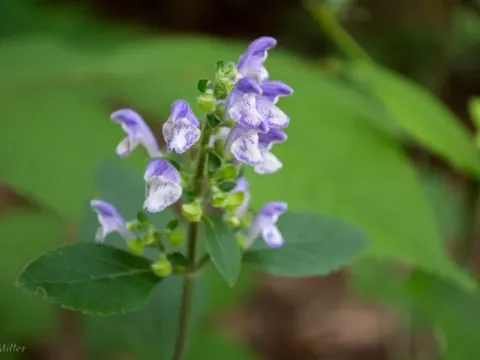
Skullcap
Scutellaria hybrids
Seeds of Scutellaria hybrids should be sown in early spring once soil temperatures reach approximately 10-12 degrees Celsius to ensure steady germination.
What the section contains
Skullcap
Using greenhouse starts in March is a common professional practice, which allows for earlier transplanting into open fields by late May or early June.
Seeds should be covered with about 1-2 centimeters of fine soil, ensuring that the seed bed is kept consistently moist during the critical germination phase.
Rows should be spaced 40-50 centimeters apart to promote optimal air circulation and allow for mechanical weed control between plant lines.
Fall sowing is also a viable option in many climates, as the natural cold stratification improves the uniformity and vigor of spring seedlings.
Scutellaria hybrids belong to the Lamiaceae family and are perennial herbaceous plants known for their significant therapeutic applications in modern pharmacy.
These plants thrive best in full sunlight; shade exposure tends to reduce the biomass and concentration of active pharmacological compounds in the roots.
Well-drained, fertile sandy loam soils with a neutral or slightly acidic pH are considered optimal for industrial-scale cultivation of this crop.
Excessive soil moisture and poor drainage can lead to root rot, so selection of elevated sites with good internal drainage is essential for long-term productivity.
Skullcap is highly cold-hardy, capable of surviving harsh winters, making it a robust crop choice for temperate agricultural zones with varying climate conditions.
Yield potential is highly dependent on the maturity of the plants, as the primary pharmaceutical value is harvested from the roots during the third or fourth year.
Professional farmers can expect a yield of approximately 1.5 to 3 metric tons of dried roots per hectare under ideal growing conditions and management.
Aerial foliage is typically harvested during the flowering stage, yielding 4-6 metric tons of fresh biomass per hectare depending on fertility and spacing.
Balanced fertilization, focusing on potassium and phosphorus, is crucial to maximize both the root yield and the concentration of secondary metabolites.
As the plant ages beyond five years, productivity often plateaus or declines, making crop rotation essential to maintain the economic viability of the farm site.
Root rot pathogens are the most significant threat to skullcap production, especially in poorly drained soils or during seasons with excessive precipitation.
Leaf-feeding insects and aphids can cause damage during the active growing season, requiring careful monitoring and integrated pest management strategies.
Weed competition is particularly intense during the first year of establishment, making mulch or early mechanical cultivation necessary to protect young plants.
Soil-borne pests like wireworms or white grubs can cause severe damage; therefore, checking soil health prior to planting is a mandatory preliminary step.
Preventing diseases through proper sanitation and avoiding frequent cultivation on the same plot is recommended to suppress long-term soil-borne pathogen loads.
The harvest of roots is performed in the autumn when the plant begins to enter dormancy and the foliage shows signs of yellowing or drying down.
Mechanical harvesters are utilized to extract the roots, which are subsequently washed to remove soil and debris before proceeding to the drying facility.
Drying is a critical quality control step, requiring temperatures between 50-60 degrees Celsius with forced ventilation to prevent spoilage or oxidation.
Properly dried material should be brittle but not scorched, maintaining its active flavonoid content for pharmaceutical processing or commercial sale.
Storage must be in cool, dry, and dark environments to protect the integrity of the herbs and extend their shelf life for up to two years.