
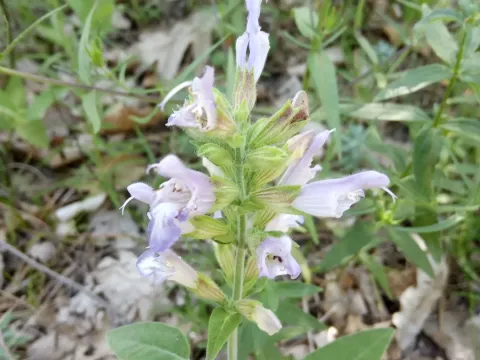
Salvia tomentosa
Salvia tomentosa
Salvia tomentosa, commonly known as woolly sage, belongs to the Lamiaceae family. It is a perennial plant characterized by its distinct, dense white-grey pubescence, which covers both the leaves and the stems, giving it a soft, woolly appearance.
What the section contains
Salvia tomentosa
Sowing should take place in early spring once soil temperatures reach 10-12 degrees Celsius. Optimal planting time is usually April, ensuring enough moisture exists for the seeds to germinate efficiently without supplemental irrigation.
Seeds are sown in rows spaced 45 to 60 centimeters apart to allow for proper airflow and development. The seeds are small and should be planted at a shallow depth of 1-2 centimeters, ensuring they receive enough light to trigger germination.
For nursery production, seeds can be started indoors in late winter. This method ensures robust seedlings that are ready for transplanting once the risk of late spring frost has completely passed in the outdoor field environment.
Good soil contact is essential during sowing. Using a light roller after planting helps press the seeds into the soil surface, improving moisture uptake and ensuring a higher uniformity in seedling emergence across the planting field.
Woolly sage thrives in Mediterranean-like climates with abundant sunshine. It requires open, sunny locations as it is highly intolerant of shade and requires direct sunlight for the development of its fragrant secondary metabolites.
The plant prefers well-drained, sandy or light loamy soils. It is critical to ensure that the site has excellent drainage, as excessive soil moisture or standing water during the winter months often leads to root rot and loss of the crop.
The ideal soil pH range for Salvia tomentosa is between 6.0 and 7.5. Although it can tolerate mildly alkaline soils, extremely acidic environments should be avoided by applying lime to correct the balance before planting.
Cultural practices include regular hoeing and weed control during the establishment phase. Once the plants have formed a dense canopy, they are quite competitive and typically effectively suppress the growth of most common weeds.
While the plant is drought-tolerant, supplemental irrigation during the first growing season is beneficial for root establishment. Mature plants are remarkably hardy and can withstand extended periods without significant rainfall once settled.
Salvia tomentosa is generally a hardy crop, but it is susceptible to specific fungal pathogens when grown in humid or poorly ventilated conditions. Root rot caused by Pythium or Phytophthora species is the most common threat.
Powdery mildew can occur during seasons with high humidity and stagnant air. Maintaining proper plant spacing and ensuring good field hygiene are the primary methods for preventing the spread of these fungal infections.
Insect pests such as spider mites and aphids may colonize the plants during hot, dry periods. Regular monitoring and the application of biological controls are recommended to maintain the health of the aromatic leaves.
Winter injury can occur in colder climates if the soil remains waterlogged. Providing proper drainage before the winter season is the most effective way to prevent plant loss and ensure survival for the following spring.
Excessive fertilization, particularly with nitrogen, can lead to succulent growth that is more attractive to pests and more susceptible to winter damage. A balanced fertility program is essential for maintaining plant vigor.
Harvesting is performed during the full bloom phase, which corresponds to the peak concentration of essential oils in the foliage. Timing the harvest accurately is essential for high-quality extract production.
The foliage is cut with professional harvesting equipment, leaving about 10-15 centimeters of the base to allow for plant regeneration. The work should be done in dry weather, ideally in the mid-morning after dew has dissipated.
Post-harvest management requires immediate processing. The harvested plant material should be moved to a clean, shaded, and well-ventilated area for drying as soon as possible to prevent degradation of the volatile oils.
Drying is conducted at temperatures not exceeding 40 degrees Celsius. Excessive heat causes the evaporation of the primary aromatic compounds, significantly reducing the commercial value and medicinal quality of the raw material.
Once properly dried, the leaves are stripped from the stems and stored in airtight containers. Proper storage in a cool, dark environment ensures the retention of the sage's signature fragrance and therapeutic characteristics.