
Salvia virgata
Salvia virgata
Salvia virgata, commonly known as the rod-shaped sage, is a perennial herbaceous plant belonging to the Lamiaceae family. Native to the arid and semi-arid regions of Eurasia, it is highly adapted to life in open steppe environments, displaying significant resilience to extreme environmental stressors.
What the section contains
Salvia virgata
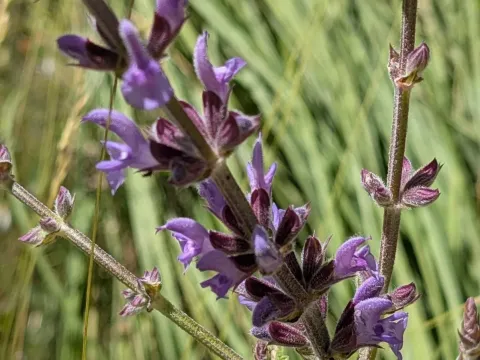
Botanically, the plant is distinguished by its deep taproot and stems that can grow up to 100 cm in height. Its foliage is characterized by a textured, rugose surface, and the plant produces attractive blue-to-violet inflorescences that are highly valued for their ornamental and nectar-producing properties.
The culture thrives in well-drained, sunny locations with a high degree of exposure. It prefers alkaline or neutral soils and is extremely sensitive to waterlogging, which can quickly lead to root rot; therefore, selecting sandy or light loamy soils is essential for optimal crop development.
In terms of agricultural management, Salvia virgata is recognized for its low maintenance requirements. Once established, the plant is remarkably drought-tolerant, making it an excellent candidate for regions where water resources for irrigation are limited or costly.
Industrial applications of the plant are diverse, ranging from the extraction of high-quality essential oils for cosmetic use to its role as a botanical source in pharmaceutical preparations. Moreover, its high nectar production makes it an important crop for sustainable beekeeping, providing high-quality honey in arid climates.
The main pathological threat to the crop is powdery mildew, which tends to proliferate in conditions of high atmospheric humidity and poor airflow. Managing plant density and ensuring proper spacing between rows is a critical preventive measure to reduce the incidence of fungal diseases within the field.
Common insect pests include aphids and various types of leaf-eating beetles, which can compromise the plant's vigor during the peak vegetative phase. Monitoring of the field population and the use of biological control agents are preferred over systemic insecticides to maintain the quality of the harvested biomass.
Weed competition is a significant concern during the first year of the crop's establishment due to its slow initial growth rate. Implementing mechanical weeding between rows early in the season is vital to ensure that the sage plants can successfully compete for sunlight and nutrients.
Poor soil drainage represents a major environmental threat to the health of the plant. Ensuring the land is leveled and free from low spots where water might accumulate is a prerequisite for planting, as stagnant water is the primary cause of sudden plant loss in established sage plantations.
Implementing a rigorous crop rotation plan is essential to prevent the buildup of soil-borne pathogens and pests specific to the sage family. Experts recommend a return interval of at least 4 to 6 years before planting Salvia virgata on the same agricultural land again to maintain soil health.