
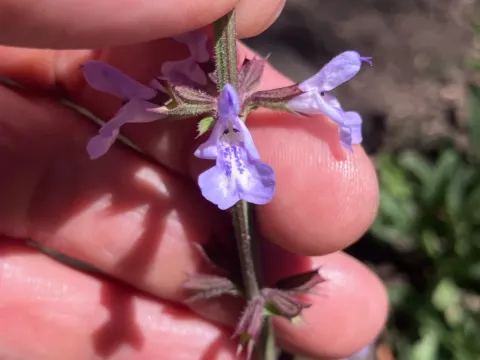
Salvia runcinata
Salvia runcinata
The planting of Salvia runcinata seeds should take place in early spring once the soil temperature is consistently above 15 degrees Celsius.
What the section contains
Salvia runcinata
Proper seedbed preparation is essential, ensuring a fine tilth that allows small seeds to establish strong root contact with the soil.
Seed depth should be kept shallow, typically around 1 centimeter, to allow for optimal light exposure during the initial germination phase.
Rows should be spaced sufficiently apart to facilitate manual or mechanical weeding during the early stages of plant development.
Sowing density plays a critical role in yield, and optimizing the seed rate per hectare is vital for maximizing the final crop canopy coverage.
Salvia runcinata belongs to the Lamiaceae family and thrives in open, sunny locations with direct sunlight throughout the day.
The crop is well-adapted to varied soil types but shows a distinct preference for well-drained, sandy loam soils with moderate fertility.
Drought tolerance is a notable feature of this species, making it an excellent candidate for regions where water resources are restricted.
Soil pH levels should be maintained in the neutral range to ensure the bioavailability of nutrients required for healthy foliage production.
Excessive nitrogen application should be avoided as it may lead to lush vegetative growth at the expense of aromatic compound development.
The yield of Salvia runcinata is primarily determined by the quality of the soil and the consistency of climatic conditions during the season.
Regular maintenance, including proper weed management and nutrient supplementation, significantly impacts the biomass harvested per hectare.
Farmers can achieve multiple harvests throughout the growing season if the plant is managed correctly and allowed sufficient recovery time.
Focusing on the optimal developmental stage for harvesting ensures that the concentrations of active chemical compounds remain at their peak.
Accurate yield estimation requires monitoring both the fresh weight of the harvested material and the moisture loss during the drying process.
Fungal pathogens are the most significant threat to plant health, particularly in environments where air circulation is restricted or humidity is high.
Powdery mildew represents a recurring risk, requiring diligent monitoring and prompt intervention with recommended agricultural protocols.
Root rot caused by stagnant water or poor drainage is a common issue that can lead to large-scale crop failure if left unaddressed.
Insect pests such as spider mites may target the plants during hot, dry spells, necessitating proactive scouting and pest management.
Implementing a strict crop rotation schedule helps reduce the accumulation of soil-borne pathogens and improves long-term crop resilience.
Harvesting should be performed during dry weather to prevent moisture buildup within the harvested biomass, which could promote spoilage.
Using sharp equipment for cutting helps maintain plant integrity and supports faster regrowth for subsequent harvest cycles throughout the year.
Once gathered, the material should be processed or dried promptly to preserve the volatile essential oils and overall quality of the product.
Controlled air-drying techniques are preferred to maintain the structural integrity of the leaves and ensure high marketability of the herb.
Proper packaging and storage in cool, dark environments are essential to maintain the shelf life and potency of the harvested Salvia runcinata.