
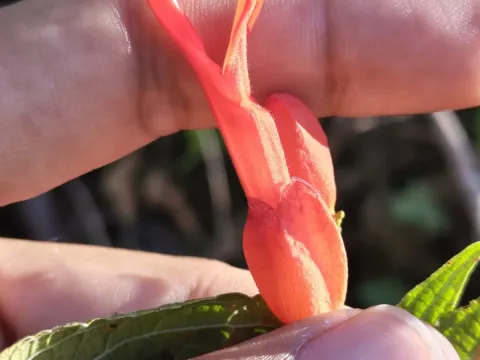
Salvia sessei
Salvia sessei
Salvia sessei is a perennial shrub belonging to the Lamiaceae family. Native to the mountainous regions of Mexico, this plant is valued for its unique appearance and is categorized primarily as an ornamental species in agricultural and landscape contexts.
What the section contains
Salvia sessei
The crop requires well-drained, nutrient-rich soil with a neutral pH balance. It thrives in locations with high light intensity, making it essential to provide full sun exposure for optimal foliage development and vibrant blooming.
Climate requirements involve mild temperatures, as the plant is not frost-tolerant. In commercial or hobby cultivation, it is often treated as a container plant in temperate climates, allowing for indoor overwintering to protect the shrub from freezing.
Proper agronomic practice includes consistent monitoring of soil moisture. While it requires regular irrigation during the active growth phase, drought tolerance increases as the plant matures, though waterlogging must be strictly avoided.
Maintenance includes periodic pruning to manage size and shape. Fertilization should be focused on the spring and early summer months using balanced NPK fertilizers to support the production of the plant's characteristic large flower spikes.
The primary threats include fungal pathogens such as root rot and powdery mildew, which thrive in humid, poorly ventilated environments. Maintaining proper spacing between plants is crucial to ensure adequate airflow and reduce infection risks.
Insects such as aphids, spider mites, and whiteflies are the most common pests. They typically attack the soft tissues of new growth, requiring early detection and the application of appropriate horticultural oils or insecticides.
Nutritional imbalances or incorrect watering practices can weaken the plant's natural defenses, making it more susceptible to opportunistic diseases. Proper care is the best form of preventative strategy for this species.
Integrated Pest Management (IPM) practices are recommended for larger cultivation settings to minimize chemical usage while maintaining plant health. This includes the use of beneficial predators and mechanical removal of pests.
Monitoring the undersides of leaves is vital, as this is where pests most frequently congregate. If significant infestation occurs, prompt intervention is necessary to prevent the decline of the overall aesthetic quality of the crop.