
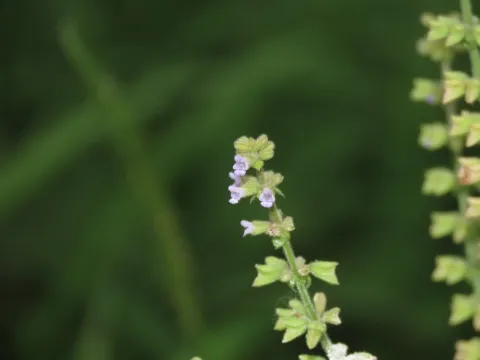
Salvia plebeia
Salvia plebeia
Salvia plebeia is an annual herbaceous plant belonging to the Lamiaceae family. In temperate regions, sowing should occur directly into open fields once the soil temperature consistently reaches 10-12 degrees Celsius, ensuring optimal germination.
What the section contains
Salvia plebeia
The ideal planting window is typically late April to early May, avoiding the risk of late spring frosts. For early production, growers may start seeds in trays and transplant seedlings once they reach the 3-4 true leaf stage.
Seeds are relatively small and require shallow sowing at a depth of 0.5 to 1 centimeter. Proper seed-to-soil contact is essential, and adequate soil moisture must be maintained throughout the germination period to ensure uniform emergence.
Field layouts usually follow a wide-row spacing of 40-50 centimeters. This density promotes individual plant development while allowing sufficient airflow, which is critical for reducing humidity-related diseases during the vegetative cycle.
Growth is generally rapid, with the plant reaching maturity within 90 to 110 days. Strategic planting intervals can be utilized to stagger the harvest throughout the growing season for continuous production.
Salvia plebeia thrives in full sunlight, as shade significantly diminishes the accumulation of beneficial essential oils and secondary metabolites. Well-drained sandy loam or loamy soils with a neutral pH between 6.0 and 7.5 are considered ideal.
Water management is vital for this species, as it is highly intolerant of waterlogged conditions. Excessive soil moisture often leads to root rot, so careful site selection and proper irrigation systems, such as drip lines, are highly recommended.
The plant performs best at temperatures between 20 and 25 degrees Celsius. While it demonstrates resilience to minor temperature fluctuations, extreme heat coupled with drought stress requires supplemental irrigation to maintain foliage quality.
Routine cultivation between rows helps manage soil aeration and prevents crusting. This practice also aids in moisture retention and weed suppression, which is crucial during the plant's sensitive early growth stages.
Nutrient requirements are moderate, but a balanced application of N-P-K fertilizers applied before sowing or during early growth can significantly boost overall biomass and leaf productivity.
Yield potential of Salvia plebeia depends heavily on site-specific soil health and crop management intensity. On average, commercial growers can expect yields of 15-20 quintals of dried biomass per hectare under optimal conditions.
Multiple harvests are possible within a single growing season, particularly if the crop is managed for leaf production. The first harvest should align with the peak flowering phase to ensure the highest concentration of active compounds.
Productivity remains tied to consistent moisture levels and effective weed control. Nitrogen application should be moderated to avoid excessive vegetative growth that can dilute the essential oil content in the leaves.
Seed production is an alternative focus for the crop. Harvesting for seeds requires careful timing to prevent losses due to shattering; thus, growers should monitor the lower inflorescences for signs of browning.
Profitability is maximized by diversifying output, specifically through selling bulk dried leaves to pharmaceutical firms or processing the fresh harvest for high-quality essential oil extraction.
The plant is relatively robust, but poor ventilation and high humidity can lead to fungal issues such as powdery mildew. Maintaining adequate spacing between plants is the most effective preventative strategy against these pathogens.
Common pests like spider mites and aphids may appear in drier seasons. Integrated Pest Management (IPM) protocols, focusing on biological control and targeted organic sprays, are preferred to maintain the integrity of the herbal raw material.
Effective weed management is essential during the first 30 days of the crop life cycle. Weeds act as competitors for resources and can also harbor pests, increasing the overall risk of crop failure or reduced quality.
Crop rotation is mandatory to prevent the build-up of soil-borne pathogens. Experts recommend a minimum three-year interval between growing Salvia plebeia on the same field to keep the soil ecosystem healthy.
Monitoring fields weekly is a standard practice for identifying pest outbreaks or disease symptoms early, allowing for localized treatments that minimize the need for blanket chemical applications.
Harvesting is executed at the peak of the flowering stage, which coincides with the maximum accumulation of essential oils. This timing is critical for ensuring the final product meets industrial quality standards.
Mechanical harvesting using segmented mowers is typical for large-scale operations. Leaving 10-15 centimeters of stubble facilitates faster plant regrowth, supporting the potential for a secondary harvest.
Drying must commence immediately after cutting to prevent enzymatic degradation or microbial growth. Controlled drying in ventilated rooms at 35-40 degrees Celsius preserves the plant's natural color and therapeutic potency.
Large-scale drying facilities must ensure uniform airflow to prevent hotspots, which can cause oxidation of volatile oils. Proper moisture control is the key to achieving long-term storage stability.
Dried leaves should be packed in breathable, light-proof containers and stored in a cool, dry warehouse. This protects the product from humidity, light exposure, and potential pest contamination until final processing.