
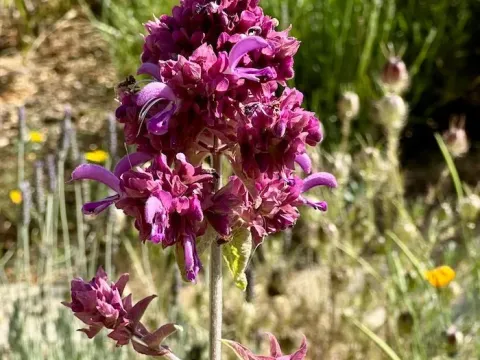
Salvia multicaulis
Salvia multicaulis
Sowing Salvia multicaulis is typically performed in early spring once soil temperatures reach 8–10 degrees Celsius. In regions with milder winters, late autumn sowing can be practiced to take advantage of natural stratification, which often improves germination rates.
What the section contains
Salvia multicaulis
The seeds of this species are small and require light for germination; therefore, they should not be buried deep. A planting depth of 0.5 to 1 centimeter into a firm seedbed is ideal for ensuring consistent emergence across the field.
In mechanized farming, a row spacing of 45 to 60 centimeters is recommended. This layout facilitates the use of standard agricultural equipment for weeding and mechanical cultivation during the early stages of plant development.
Transplanting seedlings started in greenhouses is a highly effective method, reducing the risk of competition from weeds and shortening the establishment phase in the field significantly.
The seeding rate varies based on seed viability and soil preparation, generally ranging from 4 to 6 kilograms per hectare to maintain an optimal stand density for commercial production.
Salvia multicaulis is a drought-tolerant perennial belonging to the Lamiaceae family. It is naturally adapted to rocky slopes and open, sunny environments, making it highly resilient to high light intensity.
The crop requires well-drained, light-textured soils such as sandy loams. Heavy clay soils are unsuitable as they often lead to waterlogging, which quickly causes root rot and plant mortality during cooler months.
The ideal soil pH for this species ranges between 6.0 and 7.5. It does not tolerate acidic environments, so soil amendment with lime is necessary if the field pH is found to be below the recommended range.
While the plant is hardy, it requires moderate soil moisture during the active growing season. However, excessive rainfall during the flowering stage should be avoided, as it significantly dilutes the essential oil content.
Balanced fertilization, particularly focusing on phosphorus and potassium, is essential for promoting root health, structural integrity, and the accumulation of secondary metabolites in the plant tissues.
Fungal diseases, including powdery mildew and various types of root rot, are the most frequent threats to the crop. These pathogens thrive in high humidity and poorly ventilated planting conditions.
Pests such as sage moths and weevils can cause significant damage to the foliage and flower buds. Integrated pest management, including regular scouting, is necessary to mitigate the need for chemical interventions.
Weed management is critical during the first year of the crop cycle. Once the plants are established, their vigorous growth usually suppresses most weeds, but mechanical cultivation is essential during the initial growth phase.
Rust and late blight can occur in particularly wet seasons. Proactive measures, such as maintaining a proper crop rotation cycle and clearing debris at the end of the season, are effective strategies to reduce disease pressure.
Seed treatment with authorized fungicides can protect seedlings from damping-off pathogens during the critical germination phase, ensuring a uniform and healthy plant population.
The harvesting of the medicinal and essential oil raw material occurs during the peak flowering stage, when the concentration of aromatic compounds is at its absolute maximum level for extraction.
Mechanical harvesting is typically performed by cutting the plants at a height of 10–15 centimeters above the soil surface. This height ensures that the basal buds remain intact for plant regrowth.
Rapid transport of the harvested plant material to the drying facility is vital. Any delay in processing while the material sits in the sun or swaths leads to significant evaporation losses of essential oils.
Drying is performed using forced warm air at temperatures not exceeding 40 degrees Celsius. Higher temperatures risk degrading the delicate terpene profile of the oil.
The final product must be dried to a moisture content of 12–14 percent to prevent microbial growth and ensure long-term stability during storage and transportation.