
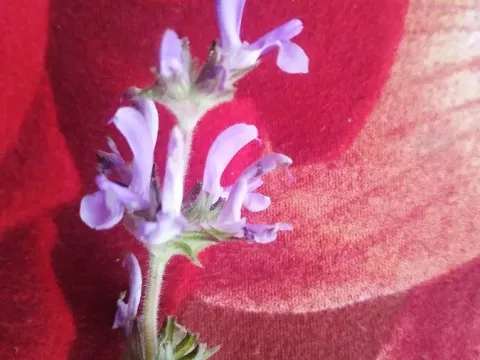
Salvia mukerjeei
Salvia mukerjeei
Salvia mukerjeei is a perennial herbaceous plant belonging to the Lamiaceae family. As a specialized species, it is endemic to high-altitude regions and requires specific environmental conditions to germinate and thrive effectively.
What the section contains
Salvia mukerjeei
The optimal sowing time occurs in early spring when soil temperatures reach 12–15 degrees Celsius. The seeds possess a dense coat, often requiring a 30-day stratification period to break dormancy and increase germination rates.
When starting indoors, seeds should be sown in late February or early March using a light, well-draining substrate. Seeds should be covered with no more than 0.5 cm of soil, as light is necessary for the germination process.
Transplanting hardened seedlings into the field should take place once the risk of late frosts has passed. Row spacing should be maintained at 45–60 cm to allow for proper airflow and development of the mature plants.
Developing a strong root system is critical during early growth stages. Maintaining consistent but moderate soil moisture is essential, as waterlogging can cause significant damage to young, developing specimens.
The plant prefers open, sunny locations, as shading reduces the concentration of volatile essential oils in the foliage. It is highly photophilous and does not perform well when crowded by taller vegetation.
Soils should be light, sandy, or loamy, with a neutral to slightly alkaline pH. If the site has heavy clay soil, adding organic matter or grit is necessary to improve drainage and prevent root rot.
Salvia mukerjeei exhibits moderate drought tolerance, but for optimal yield, regular irrigation is required during active growth phases. Watering should be directed to the base of the plant to keep the leaves dry.
Excessive nitrogen fertilization should be avoided, as it encourages excessive vegetative growth at the expense of aromatic compounds. Phosphorous and potassium-rich fertilizers are better suited for this crop.
Quality soil aeration is a primary requirement. Regular cultivation between rows helps prevent crusting of the soil surface and ensures adequate gas exchange for the roots, which is vital for long-term health.
Fungal diseases, which thrive in conditions of high humidity and poor ventilation, pose the greatest threat to this species. Downy mildew and various types of root rot are the most common afflictions reported.
Pests such as spider mites and aphids are the primary concerns, as they feed on the sap of young shoots. Infestations can lead to reduced plant vigor, discolored foliage, and decreased biomass yield.
To mitigate the risk of disease, growers must maintain proper irrigation practices and avoid over-crowding the plants. Regular weeding is necessary to minimize potential secondary infections from surrounding weeds.
If pest populations exceed economic thresholds, the use of biological control agents or soft insecticides is recommended, provided they are cleared for use on essential oil crops and withdrawal times are followed.
Preventive measures include seed disinfection and the application of appropriate fungicides during the early vegetative phase, especially if weather conditions are conducive to the spread of fungal pathogens.
Harvesting should occur during the full bloom stage, when the concentration of essential oils within the plant tissue is at its absolute peak. This typically falls in mid-summer during the morning hours once dew has dried.
The harvest is performed by cutting the aerial parts of the plant at a height of 10–15 cm above the soil surface. Retaining the lower leaves is vital for the plant to recover and produce secondary growth.
Once harvested, the plant material should be moved to the drying facility immediately. Exposure to direct sunlight during drying is strictly prohibited, as it destroys the delicate volatile compounds essential for quality.
Drying should take place in a well-ventilated area or a specialized drying oven at temperatures not exceeding 35–40 degrees Celsius. Correctly dried material retains its distinct aroma and vibrant color.
After the drying process, the product must be sorted and cleaned of any debris. Storage should be in airtight containers kept in a cool, dark environment to prevent oxidation and loss of pharmacological value.