
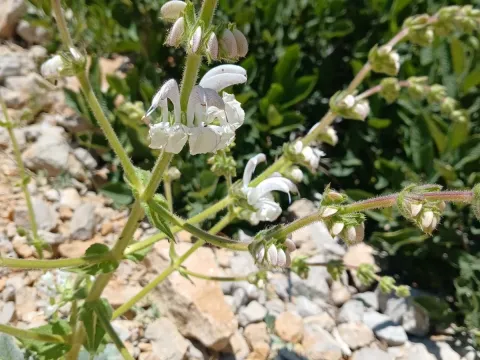
Salvia microstegia
Salvia microstegia
Salvia microstegia is a perennial herbaceous plant belonging to the Lamiaceae family. It is recognized for its unique botanical profile and specific environmental requirements, typically originating from mountainous regions with distinct seasonal changes.
What the section contains
Salvia microstegia
This crop thrives in sunny, open locations with well-drained, porous soil. Ideally, the soil should be slightly alkaline or neutral, providing the necessary mineral composition for the plant to develop its secondary metabolites, including essential oils.
The plant demonstrates significant xerophytic characteristics, allowing it to withstand periods of low water availability. However, consistent moisture is necessary during the early stages of growth to establish a robust root system and ensure healthy foliage production.
Environmental management involves protecting the crops from excessive humidity and waterlogged soil conditions, as the root system of Salvia microstegia is highly sensitive to hypoxia, which can rapidly lead to crop failure.
Temperature control is essential in temperate climates; the plant requires a period of dormancy to trigger proper blooming, but excessive frost without proper ground cover can cause damage to the crown of the plant.
The main biological threats include fungal infections such as powdery mildew and various types of root rot. These are primarily triggered by high humidity levels or poor air circulation within the planting area.
Common pests that affect the biomass of the plant include aphids and spider mites, which can proliferate rapidly during warm, dry summer months and significantly reduce the quality of the harvested raw material.
Effective management strategy centers on preventive measures, including regular thinning of the plants to improve airflow and the use of resistant varieties where available to minimize the need for chemical intervention.
Monitoring the field for early signs of infestation or infection is crucial for maintaining the yield. Early identification of the pathogen allows for localized management, preventing the spread across the entire plot.
Integrated pest management (IPM) practices, such as biological control and habitat manipulation, are highly recommended to keep the ecological balance and ensure the production of high-quality, safe agricultural output.