
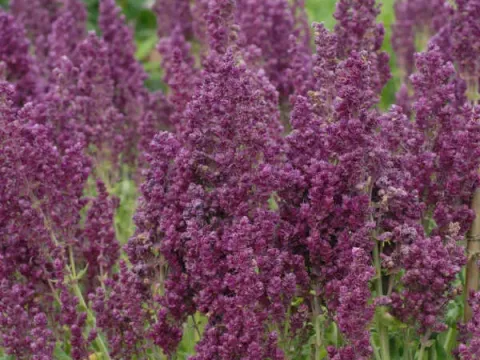
Plumose Sage
Salvia plumosa
Sowing seeds of Salvia plumosa is best performed in early spring once the risk of severe frost has completely passed. The seeds are small and require a light, well-draining seed-starting mix to ensure they do not rot during the initial germination phase.
What the section contains
Plumose Sage
For indoor propagation, sow seeds in trays during late winter, keeping them barely covered with a fine layer of soil. Providing consistent warmth and bright, indirect light is crucial for achieving high germination rates within two to three weeks.
Once seedlings have developed at least two pairs of true leaves, they should be transplanted into individual pots to strengthen their root systems. Gradual hardening off before final outdoor placement is recommended to reduce transplant shock.
When planting in the garden, maintain a spacing of 30 to 40 centimeters between individual plants. This distance is essential to ensure adequate airflow, which is critical for preventing fungal diseases in the humid spring months.
Direct outdoor sowing is possible in warmer climates where the soil warms up quickly. Ensure the site is weed-free, as young sage seedlings are initially slow to establish and can easily be outcompeted by invasive weeds.
Plumose sage thrives in full sun exposure, which is necessary for the plant to reach its full flowering potential and maintain its vibrant colors. Partial shade may cause the plant to become leggy and less resilient against environmental stress.
The soil must be well-draining, as the species is highly sensitive to waterlogged conditions. Adding organic matter or horticultural grit can significantly improve soil structure in heavy clay environments, preventing root suffocation.
This perennial is known for its remarkable drought tolerance once it has fully established. During the first growing season, however, consistent but light watering is necessary to support deep root development.
The ideal soil pH for Salvia plumosa ranges between 6.0 and 7.5, making it highly adaptable to most garden soils. It does not require intensive fertilization; in fact, overly rich soil can reduce the aromatic quality of the foliage.
Temperature management is key to longevity, as the plant prefers moderate summers. In regions with extremely hot and humid summers, providing afternoon shade can help extend the plant’s active blooming season.
Powdery mildew is the most significant threat to the plant, especially in areas with high humidity and poor air circulation. Implementing proper spacing and avoiding overhead watering helps to mitigate the risk of fungal outbreaks.
Root rot is a common issue caused by overly compact soil or excessive irrigation. Ensuring proper drainage is the most effective preventative measure for maintaining healthy and long-lived plants in the garden.
Insects like spider mites and aphids can attack the foliage during prolonged dry spells. If infestations are spotted early, manual removal or the application of insecticidal soap is typically sufficient to handle the problem.
Slugs and snails are known to feed on young, succulent shoots, especially in damp spring weather. Using physical barriers like copper tape or crushed shells around the base of the plant can deter these pests effectively.
Nematode infestation, while less frequent, can cause stunted growth and yellowing leaves. Rotating crops and avoiding repetitive planting in the same soil patch are standard practices to prevent the buildup of soil-borne pathogens.
Harvesting the flowering stems is best performed during the peak of the blooming season when the oils and pigments are at their highest concentration. Use clean, sharp shears to prevent crushing the delicate stems during harvest.
For drying, bunch the stems together and hang them in a dark, well-ventilated location to prevent mold and loss of essential oils. Drying should be completed within a few days to maintain the best quality of the dried material.
Once dried, store the herb in airtight, opaque containers away from direct light. This preservation technique allows for the maintenance of the plant's aromatic properties for up to two years after the initial harvest.
Seed collection involves waiting for the flowers to fade and the seed heads to turn dark brown or grey. Shake the heads over a paper bag to collect the seeds, then store them in a cool, dry place for future planting.
Sanitary pruning at the end of the season helps the plant allocate energy to its roots for winter survival. Remove all spent flower stalks to tidy the plant's appearance and prepare it for the dormant period.