
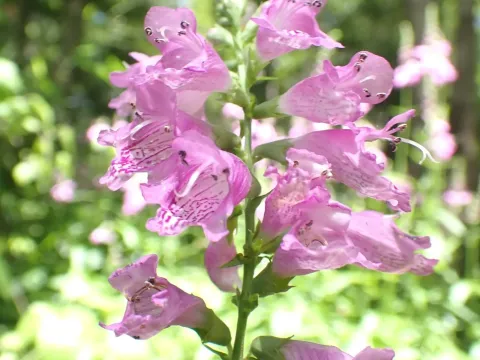
Physostegia
Physostegia
Physostegia is commonly propagated by division of the rhizomes. This process is best performed in early spring as growth resumes or in late autumn after the plant has finished its flowering cycle.
What the section contains
Physostegia
Seed propagation is also an option, requiring a period of cold stratification to break dormancy. Sowing seeds in a moist, fertile potting medium ensures better germination rates and robust seedling development.
When dividing, ensure each segment contains healthy buds to facilitate rapid establishment. The recommended spacing between plants should be approximately 30 to 40 centimeters to allow for natural spread.
Due to its aggressive growth habit, gardeners often install root barriers to prevent the plant from spreading beyond the intended planting area. This measure significantly simplifies long-term maintenance.
Newly planted specimens require consistent moisture to establish their root systems. Regular watering during the initial growth phase is critical for successful cultivation in garden borders.
Physostegia belongs to the Lamiaceae family and is native to North America. It thrives in habitats characterized by moist, rich soils, often found in riparian zones or damp meadows.
The plant requires consistently moist, fertile, and well-drained soil. It is highly sensitive to drought; therefore, irrigation is essential during hot, dry periods to prevent foliage wilting.
Full sun is ideal for vigorous growth and robust flower spikes. While the plant can tolerate partial shade, insufficient light may result in floppy stems and a reduction in the density of the blooms.
It is a hardy perennial, well-adapted to cooler climates. The plant naturally dies back in the winter and regrows from its underground rhizomes, requiring no specialized winter protection.
Fertilization should be balanced throughout the growing season. Applying a general-purpose fertilizer in spring supports foliage development, while a second application helps ensure a prolonged flowering display.
Physostegia is generally resistant to most pests; however, aphids can occasionally infest the succulent tips of the flowering stems. Regular monitoring allows for early detection and manual control.
In conditions of poor air circulation and excessive moisture, the plants may become susceptible to powdery mildew. Ensuring adequate spacing between plants is the most effective preventative measure.
Root rot can occur if the plants are situated in heavy, waterlogged soil. Proper drainage is a fundamental requirement to ensure the health and longevity of the plant crown throughout the year.
If fungal issues appear, remove and discard affected parts of the plant. Applying appropriate organic fungicides can help manage outbreaks and maintain the overall health of the garden bed.
Maintaining a clean garden by removing old foliage in late autumn or early spring reduces the chances of overwintering pathogens, keeping the plant stock vigorous and highly productive.