
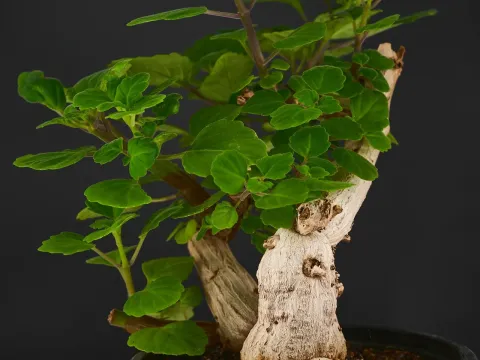
Plectranthus zatarhendi
Plectranthus zatarhendi
Propagation of Plectranthus zatarhendi in both industrial and domestic scales is most commonly performed via cuttings. The optimal time for taking cuttings is the spring period, when the plant exits its dormant phase and active sap flow begins.
What the section contains
Plectranthus zatarhendi
For rooting, light, well-drained substrates based on peat and perlite are used. By maintaining a temperature between 20 and 22 degrees Celsius, root system development can be achieved within two to three weeks.
Seed propagation is less common due to the characteristics of seed maturation and the likelihood of losing varietal traits. When sowing, seeds should only be lightly covered with soil, maintaining high air humidity.
Seedling transplantation to open ground or greenhouses is carried out only after stable warm weather is established. The crop is extremely sensitive to late spring frosts, which can cause the death of the aerial parts.
The recommended planting density is 40 by 40 centimeters to ensure sufficient ventilation of the bushes. Crowded planting leads to the development of fungal diseases due to high humidity within the vegetative mass.
Plectranthus zatarhendi belongs to the Lamiaceae family and is a light-loving plant. Proper accumulation of essential oils, which define the value of this crop, requires good lighting; however, direct sunlight during peak hours should be avoided.
Soil requirements include the use of fertile, pH-neutral soil mixes. The plant absolutely does not tolerate water stagnation in the root zone, so providing a high-quality drainage layer is mandatory.
The temperature range for successful cultivation is between 18 and 25 degrees Celsius. At temperatures below 10 degrees, crop growth essentially stops, making outdoor cultivation in harsh climates impossible without protection.
Irrigation should be regular but moderate, allowing the top layer of the substrate to dry out between waterings. Excessive moisture leads to rotting of the fleshy stems and the root system.
Fertilization is carried out during the active growth phase using balanced mineral complexes. An excess of nitrogen fertilizers stimulates leaf growth but reduces the concentration of aromatic substances.
The main pests of the crop are spider mites and mealybugs, which become active when air humidity is low in greenhouses or indoor environments. Regular inspection of the underside of leaves allows for early detection of insect colonies.
Powdery mildew poses a serious threat to plantings when ventilation regimes are neglected. It manifests as a whitish coating on the leaf plates, which eventually leads to tissue necrosis.
Root rots caused by fungi of the Pythium or Phytophthora genus develop when irrigation practices are poor. Prevention consists of maintaining proper humidity levels and using sterilized soil.
Aphids may infest young shoots of the plant, sucking sap and deforming leaves. Systemic insecticides or biological agents based on natural toxins are used for control.
The use of chemical protection means should be limited if the plant is intended for food or medicinal purposes. It is highly recommended to prioritize biological control methods.
Harvesting of the green mass of Plectranthus zatarhendi is performed as shoots grow. In greenhouse conditions, multiple cuttings per season are possible, which increases the total productivity of the crop.
The highest concentration of essential oils in the leaves is observed in the period before the onset of budding. This is the recommended time for mass collection for subsequent processing or drying of the raw material.
Cutting is performed with a sharp tool, leaving a portion of the stem with active buds to allow for rapid regrowth of new greenery. Using blunt shears damages tissues and provokes the development of pathogens.
The collected greenery is dried in dark, well-ventilated rooms at temperatures not exceeding 35 degrees. This allows for maximum retention of aromatic properties and beneficial micronutrients.
Storage of dried raw material is carried out in airtight containers made of dark glass or thick paper. Under proper storage conditions, the product maintains its commercial quality for up to 12 months.