
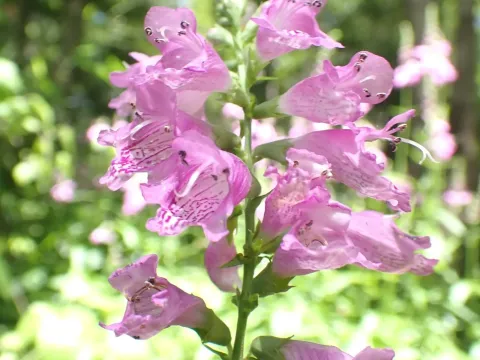
Physostegia
Physostegia Benth.
Seeds of Physostegia can be sown directly into the soil in late autumn or early spring after the frost period. For controlled development, sowing in containers during late winter is recommended to produce healthy seedlings.
What the section contains

Physostegia
Germination typically occurs within two to three weeks when kept in a warm environment with sufficient light. Once the seedlings reach the stage of two sets of true leaves, they should be transplanted into individual pots.
Vegetative propagation via root division is the most efficient method for maintaining consistent variety traits. Divide mature clumps in early spring or late autumn when the plants are dormant or finished blooming.
Plant the young seedlings into their permanent garden location in late spring. Maintain a spacing of approximately 35–40 centimeters to allow adequate airflow and prevent the plants from competing for nutrients.
Regular division is necessary every three to four years to prevent overcrowding and to maintain the vigor of the plant. Overgrown clusters often lead to weaker stems and reduced floral production over time.
Physostegia is a member of the Lamiaceae family, originating from North America. It is a robust perennial herb known for its spike-like inflorescences and exceptional adaptability to various garden environments.
The plant thrives best in full sun but can tolerate partial shade in hotter climates. However, excessive shade often causes the stems to grow thin and weak, necessitating support structures to remain upright.
Soil requirements include high organic content and consistent moisture. While the plant can tolerate damp soils, it prefers well-drained loamy earth enriched with compost for optimal development and growth.
Consistent watering is essential, particularly during periods of extreme heat or drought. Failure to provide sufficient water during the blooming season can cause the leaves to wilt and drop prematurely.
Fertilization with balanced mineral compounds in early spring and mid-season supports strong flower spikes. Adding a layer of organic mulch can also help regulate soil temperature and retain necessary moisture levels.
Physostegia is generally resilient, yet poor airflow can lead to outbreaks of powdery mildew. Maintaining adequate space between plants and avoiding overhead irrigation can significantly reduce the risk of infection.
Rust fungi may affect the leaves during periods of high humidity and rainfall. If symptoms appear, remove the infected foliage immediately and apply appropriate fungicide treatments to protect the surrounding plants.
Aphids are the most common pests found on the plant, typically clustering on young, succulent shoot tips. Inspecting the undersides of leaves regularly allows for quick detection and management of pest populations.
Spider mites can become a problem in hot, arid conditions, causing foliage discoloration. Maintaining healthy moisture levels through regular irrigation is the best preventative strategy against these infestations.
Sanitation is a critical component of disease management; remove all dead plant debris in the autumn. Proper garden hygiene limits the sites available for pests to overwinter and reduces the spread of fungal spores.