
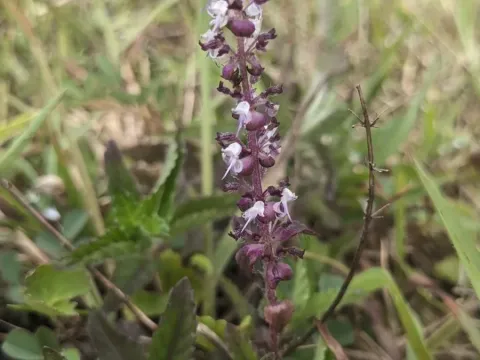
Platostoma
Platostoma
Platostoma seeds require specific temperature conditions for germination, typically needing soil temperatures of 15-18 degrees Celsius.
What the section contains


Platostoma
Seedlings are often started in greenhouse conditions to ensure a stable development phase before being transplanted into open fields.
Direct field sowing requires precise soil preparation to ensure seeds are planted at a shallow depth of approximately 0.5 to 1 centimeter.
Row spacing should be maintained at 45-60 centimeters to facilitate efficient mechanical weeding and nutrient application during growth.
Consistent soil moisture is essential during the emergence stage, but waterlogging must be strictly avoided to prevent seedling damping-off.
Platostoma is a heat-loving crop that is highly sensitive to frost, making site selection crucial for successful commercial production.
The ideal soil type is a well-drained, fertile loam or sandy loam with a neutral pH level that promotes healthy root system expansion.
The crop requires full sun exposure to maximize the synthesis of essential oils, which are the primary economic value of the plant.
Regular irrigation is necessary throughout the growing season, particularly during dry spells or after each harvesting cut of the foliage.
Protection from strong winds is recommended to reduce physical damage to the leaves and preserve the delicate aromatic components.
The total yield of Platostoma is determined by the number of cuts per season and the nutritional status of the soil throughout growth.
Under optimal management, producers can achieve multiple harvests, significantly increasing the total tonnage of biomass per hectare.
Harvesting should be synchronized with the peak flowering stage, which ensures the highest concentration of volatile oils in the plant tissue.
Post-harvest regrowth is highly dependent on nitrogen and potassium levels, which support rapid recovery after the stems are cut.
Varietal selection plays a significant role in determining both the quantity of biomass and the qualitative characteristics of the final product.
Fungal diseases, especially root rot, pose a constant threat to Platostoma plantations, particularly in fields with poor drainage.
Powdery mildew may occur during periods of high humidity and poor air circulation, requiring appropriate preventive fungicide applications.
Pests such as aphids and spider mites can infest the crop, causing significant stress and reducing the quality of the harvested leaves.
Soil-borne nematodes can inhibit growth by damaging the root structure, which emphasizes the need for regular crop rotation strategies.
Early detection and integrated pest management are critical for maintaining healthy yields and avoiding extensive crop loss.
Harvesting should occur early in the day when dew has evaporated but before the intense midday sun reduces essential oil quality.
The stems should be cut at a consistent height, leaving enough foliage to allow for healthy regrowth during the following weeks.
Immediate processing or cooling of the harvested biomass is essential to prevent degradation of aromatic compounds via fermentation.
Drying is a critical post-harvest step that must be performed in shaded, well-ventilated areas to maintain high-quality appearance and scent.
Properly cured Platostoma should exhibit a vibrant color and strong, uniform aroma, indicating it is ready for packaging or distribution.