
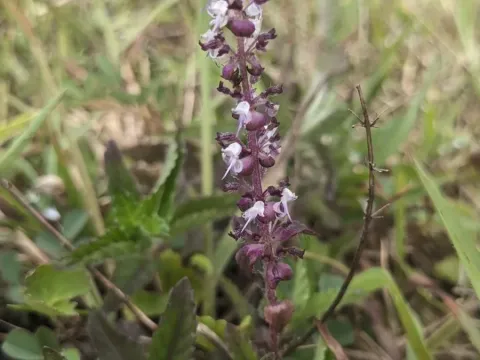
Platostoma
Platostoma P. Beauv.
Platostoma (Platostoma P. Beauv.) is a genus of herbaceous plants or subshrubs belonging to the Lamiaceae family. These plants are closely related to basil and other aromatic species, sharing similar morphological traits such as square stems and fragrant leaves.
What the section contains

Platostoma
The plant originates from tropical areas of Africa and Asia. It requires a warm, humid climate to thrive and is highly sensitive to frost, which limits its outdoor cultivation primarily to tropical and subtropical agro-climatic zones.
Soil requirements for Platostoma focus on well-drained, fertile, and light soil types. The plant develops a robust root system that requires aeration, making sandy loams or well-amended garden soils the best choice for commercial production.
Crop management practices include consistent weeding during the early stages of plant development and adequate irrigation during dry spells. Proper plant spacing is essential to ensure air circulation and prevent moisture-related issues.
The economic value of Platostoma is primarily derived from its high content of essential oils. These compounds are extracted for use in the fragrance industry, traditional medicine, and as culinary additives due to their distinct aromatic profile.
Fungal diseases constitute the primary threat to the stability of Platostoma yields. Root rot and damping-off can occur rapidly in waterlogged soils, making precise water management the most critical aspect of the cultivation process.
Pest issues often involve sap-sucking insects such as aphids or whiteflies. These insects can cause stunted growth and serve as vectors for viral diseases, which can significantly diminish the quality and quantity of the aromatic harvest.
To mitigate these threats, integrated pest management (IPM) strategies are highly recommended. This includes encouraging natural predators and using physical barriers in greenhouse or nursery conditions during the early growth phases.
Crop rotation is a vital preventive measure to manage soil-borne pathogens. Rotating Platostoma with non-Lamiaceae crops every few years prevents the buildup of host-specific diseases in the production field.
Regular monitoring of field conditions is necessary to detect outbreaks early. If infestation occurs, selective, low-toxicity treatments should be prioritized to maintain the purity of the end-product, especially if intended for medicinal use.