
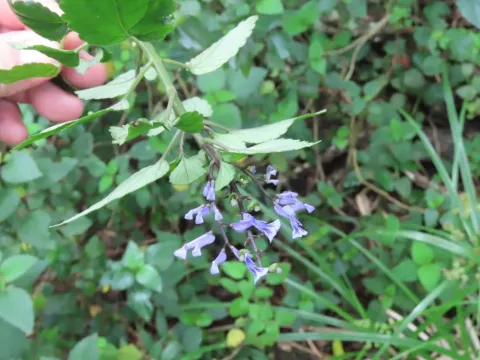
Plectranthus
Plectranthus
Plectranthus is a diverse genus within the Lamiaceae family, comprising over 300 species of herbaceous perennials and subshrubs. The plants are native to tropical and subtropical regions of Africa, Australia, and Asia, where they thrive in warm, humid climates.
What the section contains


Plectranthus
Agricultural success with Plectranthus depends on providing bright, filtered light. While some species can tolerate partial shade, direct sunlight often causes chlorosis and burning of the foliage, negatively affecting the overall yield and plant development.
Soil requirements include a light, well-draining substrate with a slightly acidic to neutral pH. Proper soil structure is essential for root aeration, as the plants are susceptible to root rot if grown in heavy, compacted, or constantly waterlogged soils.
The cultivation technique requires consistent moisture during the growing season. However, producers must implement a strict watering schedule, allowing the soil surface to dry out partially before the next irrigation to prevent root hypoxia and associated pathogens.
Economic uses are primarily centered on the pharmaceutical industry, specifically regarding species like Plectranthus barbatus, which produces forskolin. Furthermore, various species are cultivated for their aromatic essential oils and decorative use in botanical industries.
The most common pests affecting Plectranthus crops include spider mites, mealybugs, and aphids. These insects thrive in dry environments and can quickly infest large cultivation areas, necessitating regular scouting and the application of integrated pest management.
Pathogenic threats are dominated by fungal diseases, particularly root rot (Pythium or Phytophthora) and powdery mildew. Prevention focuses on maintaining proper air circulation and strictly controlling moisture levels, as these factors are critical in reducing the incidence of infection.