
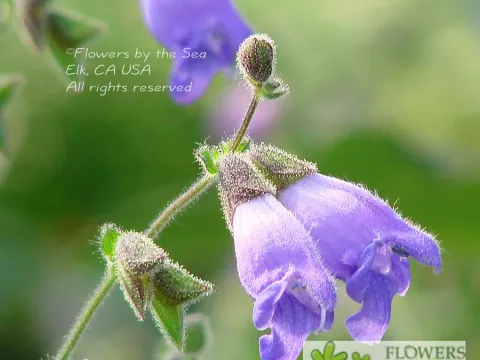
Salvia hians
Salvia hians
Salvia hians is typically propagated by seeds which should be sown indoors during late winter. Providing a period of cold stratification for about 3-4 weeks before sowing significantly improves germination rates for this Himalayan species.
What the section contains
Salvia hians
Seeds should be lightly covered with a thin layer of soil or vermiculite, as they require light to germinate effectively. Maintain a consistent temperature of around 18-20°C and ensure the growing medium remains moist but not waterlogged.
Transplanting seedlings into the garden should only occur after the risk of frost has completely passed. In many temperate regions, this is best done in late May when the ground is sufficiently warmed.
When sowing directly into the field, choose a sunny or light shade spot with well-drained soil. Spacing is crucial for this plant, as it forms a dense basal rosette that needs plenty of airflow to prevent fungal issues.
Once established, the plant may self-seed in suitable conditions. Gardeners can manage this by removing spent flower stalks before the seeds mature, or by collecting the seeds for intentional cultivation in the following spring.
Belonging to the Lamiaceae family, Salvia hians is a robust perennial native to the Himalayan region. It thrives in cool climates and prefers deep, fertile, and well-drained soil that remains moderately moist throughout the growing season.
The plant performs best in a position with full sun, though it appreciates light afternoon shade in warmer climates. Protection from intense, direct midday heat helps preserve the vibrant color of its large, violet-blue flowers.
Watering requirements are moderate; while the plant is somewhat drought-tolerant once established, regular moisture during the flowering period ensures a longer and more prolific bloom. Avoid overhead irrigation to prevent moisture buildup on leaves.
Soil improvement with organic matter, such as compost or well-rotted manure, is beneficial before planting. An annual mulch application in late autumn helps insulate the roots and retains essential soil moisture throughout the year.
Hardiness is one of its key features, but in regions with harsh winters, a protective layer of evergreen boughs or straw is recommended. This prevents freeze-thaw cycles from damaging the crown of the plant during early spring.
The primary pests affecting Salvia hians are slugs and snails, especially in early spring when young shoots emerge. Physical barriers or organic molluscicides are effective control methods to protect the tender foliage from being consumed.
Powdery mildew can be a concern if the plants are placed too closely together or if air circulation is obstructed. Ensuring enough space between plants and avoiding water splashing on the foliage are standard preventative practices.
Root rot is almost exclusively caused by improper drainage or excessive soil moisture. If the soil remains saturated, the roots may suffocate, leading to the rapid decline of the entire plant; therefore, drainage is the highest priority.
Aphids might occasionally colonize the flower buds, though they rarely cause fatal damage. If an infestation occurs, a simple blast of water or an application of insecticidal soap is usually sufficient to resolve the issue.
Routine maintenance, including the removal of dead or diseased leaves during the cleaning of the garden bed, plays a significant role in disease prevention. Keeping the environment clean reduces the likelihood of overwintering pathogens.