
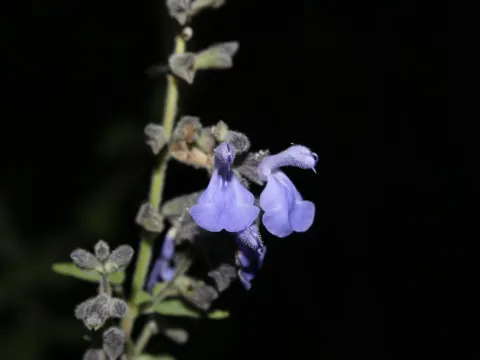
Grape-scented sage
Salvia melissodora
Salvia melissodora, commonly known as the grape-scented sage, is a perennial plant belonging to the Lamiaceae family, prized for its unique aroma.
What the section contains
Grape-scented sage
Native to the mountainous regions of Mexico, this species thrives in climates that offer plenty of direct sunlight and well-drained, porous soil conditions.
The crop requires soil with a neutral to slightly alkaline pH, as poor drainage is the primary cause of root-related failures in commercial production.
As a heat-loving plant, it performs best in regions with long, warm growing seasons, although it can be grown as an annual in cooler climates.
Agronomic management focuses on providing consistent moisture without waterlogging, ensuring the plants develop a robust and healthy vegetative canopy.
Salvia melissodora is primarily cultivated for its volatile oils, which are utilized in the fragrance and flavoring industries for their distinctive, sweet scent.
Beyond oil extraction, the leaves are harvested for culinary uses and as an ingredient in herbal tea blends that emphasize aromatic profiles.
Yield capacity is largely determined by plant spacing and soil fertility, with optimized field trials showing high returns on healthy, well-fed plants.
The economic value of this crop increases when harvesting is timed to coincide with the peak flowering phase, where essential oil content is highest.
Strategic irrigation and nutrient management ensure continuous growth throughout the season, allowing for multiple harvests in optimal growing conditions.
Primary threats to crop health include fungal diseases such as root rot, which typically occur when soil moisture management is poorly controlled.
Common pests like spider mites and aphids may invade the foliage during hot, dry spells, necessitating proactive monitoring and preventative measures.
Integrated pest management, including regular crop rotation and maintaining clean fields, remains the most effective defense against localized outbreaks.
Bio-control measures are encouraged to maintain the quality of the raw material, especially when the crop is destined for use in food or medical products.
Adequate ventilation within the plant rows is essential to reduce humidity levels, thereby preventing the spread of powdery mildew and other pathogens.
Harvesting should ideally occur on dry mornings after the dew has evaporated, as this timing maximizes the concentration of essential oils in the tissue.
Timing the harvest at the onset of flowering is critical, as the metabolic energy of the plant is then concentrated in its aromatic aerial parts.
Speed is essential during post-harvest handling; material should be transported to drying facilities immediately to prevent degradation or spontaneous fermentation.
Drying must be conducted in a controlled environment with temperatures not exceeding 40 degrees Celsius to preserve the delicate aromatic compounds.
Once dried, the product is sorted and packaged in airtight containers, ensuring that the signature scent is retained throughout the storage period.