
Hairy clerodendrum
Clerodendrum villosum
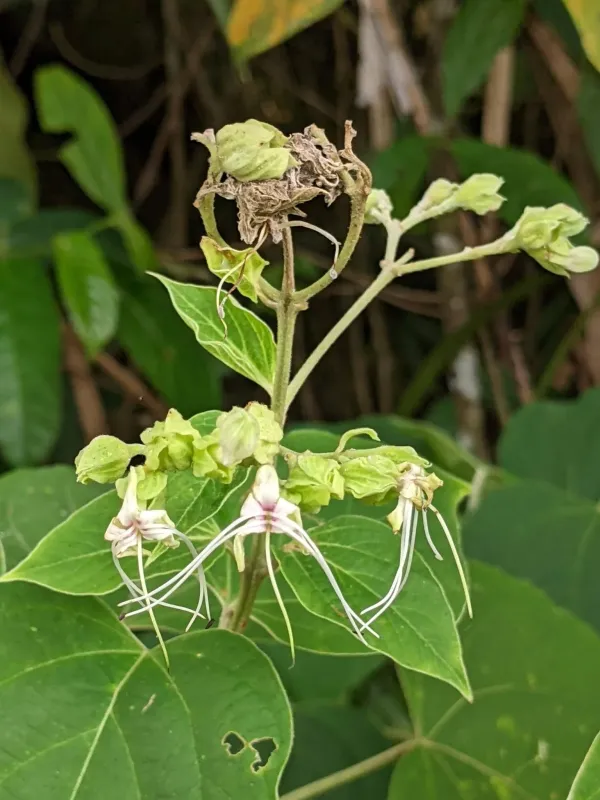
Description
Growing requirements
Hairy clerodendrum (Clerodendrum villosum) is a prominent member of the Lamiaceae family, native to the tropical regions of Southeast Asia. This species is known for its distinctively hairy leaves and vigorous growth habit in its natural forest habitat.
To successfully cultivate this crop, a warm and humid environment is essential. Temperatures should be maintained between 20°C and 27°C. Constant environmental stability is required, as sudden fluctuations can induce plant stress and physiological damage.
The choice of potting medium is vital for root health. A well-draining, nutrient-rich substrate, typically based on high-quality peat mixed with perlite or organic bark, ensures adequate aeration and prevents the root system from becoming waterlogged.
Watering requirements follow a cyclical pattern based on the growth season. During the active growth period, the substrate must remain consistently moist but not saturated. Reduced irrigation is necessary during the dormant phase to prevent anaerobic conditions in the soil.
The plant thrives in bright, indirect light. Direct exposure to intense midday sunlight can scorch the foliage, leading to necrosis of the leaf blades. Utilizing diffused lighting setups is the best practice for maintaining optimal leaf quality and overall plant vigor.
Main diseases and pests
Spider mites are the most common pests affecting this culture, especially in low-humidity environments. These mites feed on cell sap, causing fine stippling and yellowing of the leaves, which can lead to significant defoliation if left untreated.
Whiteflies can also cause damage by colonizing the underside of the leaves. Management strategies involve using horticultural oils or systemic insecticides that are effective against juvenile stages, combined with maintaining high ambient humidity to discourage mite colonization.
Root rot caused by fungal pathogens like Phytophthora or Pythium is a primary threat related to improper irrigation practices. Overwatering creates the perfect conditions for these pathogens, resulting in rapid root decline and plant death.
Botrytis blight may occur during periods of high humidity and poor ventilation. Proper spacing between plants and ensuring active air circulation are essential preventive measures to reduce the risk of mold formation on the foliage.
Consistent monitoring and early intervention are the cornerstones of successful disease management. Maintaining good sanitary practices, such as removing fallen leaves and sanitizing tools, significantly reduces the pressure from common pests and secondary infections.