
Hairy phlomis
Phlomis crinita
Description
Growing requirements
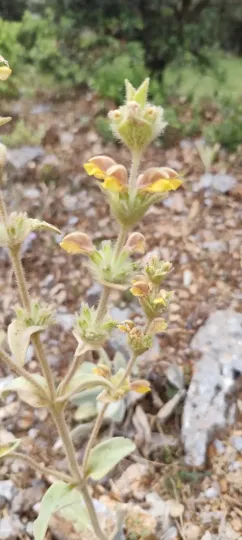
Hairy phlomis (Phlomis crinita) is a herbaceous perennial belonging to the Lamiaceae family. It is native to the Mediterranean region, typically thriving in dry, rocky terrain and open scrubland environments where it withstands intense summer heat.
Botanically, the plant is characterized by its stems and leaves covered in dense, woolly hairs. This pubescence serves as a protective mechanism against intense ultraviolet radiation and helps reduce transpiration, allowing the plant to survive in arid conditions.
The cultivation of this species requires well-drained soil, preferably with a neutral or slightly alkaline pH. It is an excellent choice for rock gardens, xeriscaping projects, and borders where low-maintenance, drought-tolerant perennials are needed.
Regarding climate, Hairy phlomis prefers full sun exposure to maintain its compact habit and encourage heavy flowering. Excessive shade will inevitably cause the plant to become leggy and significantly reduces its overall longevity and vigor.
Watering management is crucial for this plant. Once established, it requires very little supplemental irrigation. During the first growing season, moderate watering is necessary, but the soil must be allowed to dry out completely between sessions to prevent rot.
Main diseases and pests
The primary threat to the health of Hairy phlomis is improper moisture management, which leads to various fungal pathogens. Overwatering often causes root decay, which is frequently irreversible once the symptoms appear on the foliage.
Powdery mildew is the most common foliar disease, appearing as white patches on leaves during humid periods with poor air circulation. Improving plant spacing and reducing overhead watering are effective ways to minimize the risk of infection.
Aphids are the most frequent insect pests, clustering on the developing flower buds. While they rarely kill the plant, they can distort growth and reduce the quality of the display; early intervention with natural pyrethrins or insecticidal soap is recommended.
Slugs and snails can cause significant damage to young seedlings or fresh spring growth, especially in gardens with high moisture levels. Using crushed eggshells or physical barriers around the base of the plant can provide adequate protection.
Winter survival can be compromised by stagnant water during the dormant season. Ensuring the soil has excellent drainage is the single most important factor for preventing winter losses, as frost-heaving and wet roots are the main killers of this species.