
Gmelina philippensis
Gmelina philippensis
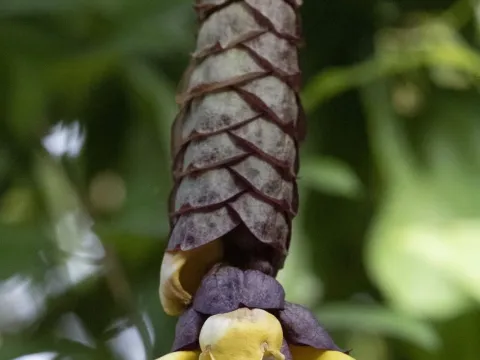
Gmelina philippensis, known as the parrot's beak, is a distinctive evergreen shrub belonging to the Lamiaceae family. It is native to the tropical regions of the Philippines and parts of Southeast Asia.
What the section contains
Gmelina philippensis
To thrive, this plant requires a sunny location with high humidity levels. In subtropical regions, it performs best when protected from harsh winds and kept in a warm environment.
The soil should be fertile, well-draining, and slightly acidic. It is essential to ensure that the potting medium or garden soil does not become waterlogged to prevent root rot.
Temperature requirements are stringent; the plant is frost-tender and flourishes best in climates where temperatures remain consistently above 20 degrees Celsius throughout the year.
Regular fertilization during the growing season is recommended to support its vigorous development. Balanced liquid fertilizers are typically used to encourage lush foliage and flower production.
The primary use of Gmelina philippensis is ornamental. Its striking yellow flowers, often compared to parrot beaks, make it a popular specimen for tropical garden landscapes.
The plant possesses traditional ethnobotanical applications, with local communities utilizing its leaves and roots for specific medicinal preparations in a historical context.
Harvesting for specific plant parts is performed with care, typically focusing on pruning stems after the flowering season to maintain the plant's shape and health.
Following harvest, the plant material must be processed carefully. Drying should occur in a well-ventilated space, away from direct sunlight, to preserve its biological integrity.
Ongoing maintenance involves selective pruning and checking for any signs of pest infestation to ensure the long-term vitality of this beautiful tropical woody plant.