
Ground pine
Ajuga iva
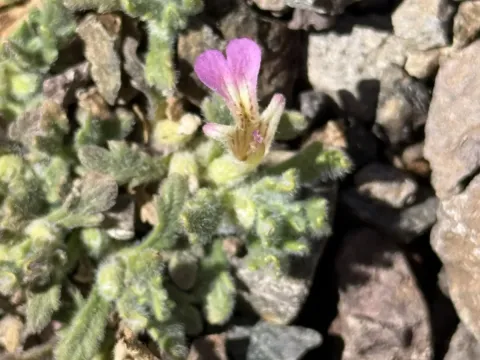
Ground pine (Ajuga iva) is a perennial herbaceous plant belonging to the Lamiaceae family. It is recognized by its low-growing habit and specialized morphology, which allows it to thrive in nutrient-poor environments.
What the section contains
Ground pine
The origin of this species is primarily linked to the Mediterranean basin and North Africa. It is naturally adapted to arid and semi-arid conditions, often thriving in rocky limestone soils where other competitors struggle to survive.
Cultivation requirements involve full sun exposure and excellent soil drainage. It is a drought-tolerant crop that performs best in sandy or gravelly soil profiles, showing limited tolerance for high-nutrient soils which can alter its biochemical composition.
Agronomic management is relatively low-intensity. Planting should be timed to avoid seasonal rainfall extremes, as the primary objective is to maintain soil aeration to prevent the physiological stress of waterlogging.
In terms of economic value, it is primarily harvested for its medicinal properties. The plant serves as a source for specific phytochemical compounds including tannins and various glycosides used in pharmaceutical applications.
The main threats to crop health are fungal pathogens, specifically those causing root rot such as Rhizoctonia, which are typically exacerbated by improper irrigation management.
Insect pests include various species of aphids that congregate on young growth, as well as soil-dwelling larvae that can compromise root health, especially in the early stages of establishment.