
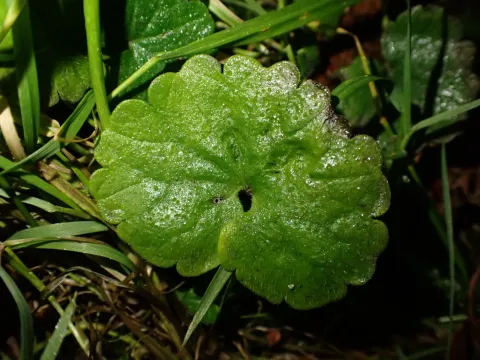
Ground ivy
Glechoma
Ground ivy (latin: Glechoma hederacea) is a perennial herb belonging to the Lamiaceae family. It is recognized for its creeping stems and medicinal properties, functioning as both an ornamental ground cover and a forage plant.
What the section contains

Ground ivy
The plant thrives in moist, fertile soils with a high organic content. It exhibits remarkable adaptability, growing well in partial shade or even full shade, making it a versatile choice for specific agricultural environments.
Ground ivy prefers a temperate climate and is frost-hardy, allowing it to survive through cold winters. Its development is characterized by rapid vegetative expansion, which is facilitated by rooting at the leaf nodes.
Soil management requires maintaining consistent moisture levels, as the plant is not drought-tolerant. It performs best in neutral to slightly acidic soil conditions and does not require complex fertilization programs.
In terms of agricultural maintenance, the key is to manage its spreading nature to prevent it from outcompeting other crops, as its aggressive growth can lead to it becoming an invasive element if left unmanaged.
Harvesting of the above-ground biomass is typically conducted during the flowering period, when the concentration of essential oils and active components is at its peak.
The aerial parts are cut using mechanical mowers or hand tools, ensuring that the root system remains intact to allow for subsequent regrowth of the stand.
Post-harvest processing involves drying the plant material in well-ventilated areas away from direct sunlight to preserve the medicinal properties and natural aroma.
Proper storage of the dried product is essential; it should be kept in a cool, dry place to prevent moisture accumulation and potential mold development during the winter months.
For high-quality yield, harvesting should be performed early in the morning after the dew has evaporated, ensuring that the harvested material is clean and free from impurities.
The most significant threats to ground ivy health include fungal diseases such as powdery mildew, which can significantly reduce the quality of the foliage.
Pests including aphids and spider mites are known to infest the plant during prolonged dry spells, damaging the leaves and hindering overall plant vigor.
Integrated pest management strategies should focus on environmental controls, such as optimizing plant spacing to improve airflow and reduce humidity levels.
When chemical intervention is necessary, the use of selective organic insecticides is recommended to maintain the medicinal quality of the harvested crop.
Regular monitoring of the field is crucial for the early detection of pests, enabling targeted interventions rather than blanket applications of protective agents.