
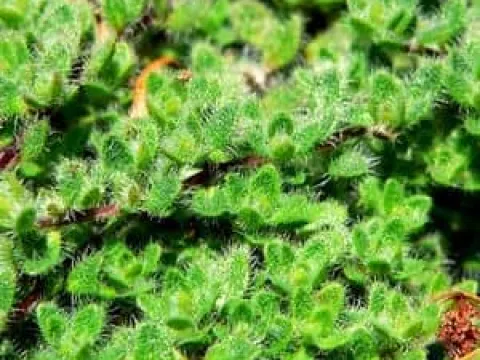
Granada thyme
Thymus granatensis
Granada thyme (Thymus granatensis) is a perennial subshrub belonging to the Lamiaceae family. It is typically propagated by sowing seeds in spring or by taking softwood cuttings during the active growth phase in early summer.
What the section contains
Granada thyme
When starting from seeds, use a well-draining, sandy seed-starting mix. Surface-sow the seeds as they require light for germination, and keep the temperature around 20 degrees Celsius for optimal results.
Transplanting into the garden should occur only after the risk of frost has passed. Space the plants about 30 cm apart to allow for proper growth and to ensure adequate air circulation between individual bushes.
Propagation via cuttings is highly effective for maintaining the desired characteristics of the parent plant. Place the cuttings in a moist, gritty medium and provide high humidity until roots have successfully formed.
Establishment of the crop is slow; therefore, weed control is essential during the first season of growth to ensure the young plants are not outcompeted for nutrients and water.
As a native of the high-altitude regions of southern Spain, this plant thrives in full sun. It requires a location that receives at least six to eight hours of direct sunlight every day.
The ideal soil is rocky, sandy, or gravelly, with an exceptionally high drainage capacity. Waterlogged conditions are the primary cause of failure and will inevitably lead to root rot and plant mortality.
The plant is highly tolerant of drought once established, making it an excellent choice for xeriscaping or gardens with limited water access. It prefers neutral to alkaline soil pH levels.
Avoid excessive fertilization, as high levels of nitrogen lead to rapid, leggy growth that lacks the concentration of essential oils. A light organic mulch can be applied to maintain soil moisture in extreme heat.
Granada thyme displays moderate cold hardiness. In regions with severe winters, provide protection using mulch or horticultural fleece to prevent dehydration and cold damage to the foliage.
The economic value of this species lies in its secondary metabolites, particularly its essential oils which are sought after for the pharmaceutical and culinary industries.
Yield peaks during the third and fourth years of plantation age. Proper pruning techniques after the flowering stage significantly enhance the production of biomass for subsequent harvesting cycles.
Environmental stressors, such as dry conditions and intense solar radiation, often increase the concentration of volatile oils, making the plant more potent when grown in harsher, Mediterranean-like environments.
Sustainable harvesting involves gathering the leafy stems just as the flowers begin to open. This timing ensures the highest possible quality of the finished aromatic product.
Drying the material properly is a critical step in preserving the yield. Controlled drying environments are necessary to ensure the essential oils remain stable within the plant tissues.
Root rot caused by Phytophthora species is a frequent issue in poorly drained soils. The best preventive measure is meticulous soil preparation and avoiding excessive irrigation during the cooler months.
Aphids and spider mites are common pests that colonize the tender shoots. Early detection through regular monitoring allows for the application of organic soap-based sprays to manage these infestations effectively.
Powdery mildew may occur if the plants are placed in areas with stagnant air. Increasing the spacing between plants or thinning out overcrowded areas usually eliminates this risk.
Weed infestation is a major threat that can harbor pests and pathogens. Mulching with gravel or decorative stones helps suppress weeds while providing a natural aesthetic for this mountain plant.
Maintaining a clean cultivation area and removing debris during the dormant season are fundamental steps in managing the disease pressure in commercial plots.
Harvesting is typically carried out during the peak flowering period. This is when the plant is at its most fragrant and the concentration of active therapeutic ingredients is at its maximum.
Use sharp, clean tools to harvest the top portion of the stems, ensuring that the woody base remains intact. This promotes quicker regrowth and prevents damage to the main crown of the plant.
Morning harvesting is recommended after the dew has evaporated but before the heat of the day reaches its peak, as this reduces the risk of volatile oil degradation.
Tie the stems into loose bundles and hang them upside down in a dark, well-ventilated room. This process allows for gradual drying, which helps retain the color and aroma of the herbs.
Once brittle, strip the leaves and flowers from the stems. Store the finished herbal product in airtight, opaque containers to ensure long-term shelf life and flavor potency.