
Gmelina macrophylla
Gmelina macrophylla
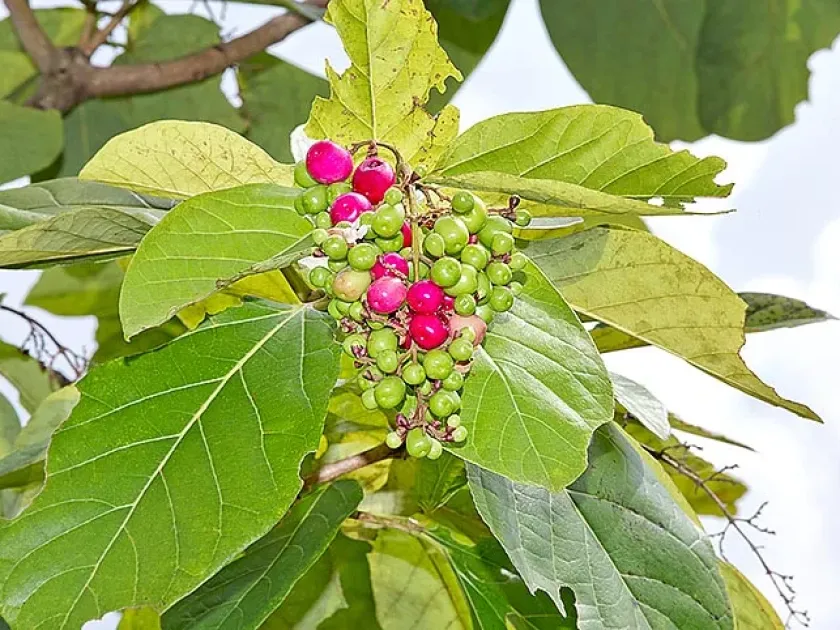
Description
Growing requirements
Gmelina macrophylla is a prominent member of the Lamiaceae family, originating from the lush, humid forests of Indonesia. It is recognized for its rapid growth rate, making it a valuable species in tropical forestry plantations.
This species thrives in tropical climates characterized by consistent rainfall and high temperatures. It requires fertile, well-drained soil to support its vigorous development and to prevent waterlogging, which the root system is sensitive to.
As a light-demanding tree, Gmelina requires strategic spacing during the establishment phase to maximize photosynthesis and promote straight bole development, which is critical for future timber quality.
The botanical structure of Gmelina involves large, broad leaves that efficiently capture solar radiation. Proper canopy management ensures that the trees maintain their growth trajectory throughout their developmental stages.
The primary economic use of Gmelina macrophylla is timber production. The wood is prized for being lightweight, easy to work with, and resistant to decay, making it suitable for furniture, interior joinery, and pulpwood applications.
Main diseases and pests
Fungal infections represent the most significant threat to Gmelina plantations, particularly in areas with poor airflow and excessive leaf wetness, often leading to defoliation.
Various insect pests, including leaf-miners and stem borers, can severely impact young stands. These pests hinder development and can permanently damage the structural integrity of the main trunk.
Integrated Pest Management (IPM) strategies, such as maintaining optimal stand density and selecting resistant genotypes, are essential for mitigating these risks effectively.
Soil-borne nematodes can pose a latent risk in re-planted areas, often requiring crop rotation or soil treatment before establishing a new stand of Gmelina.
Regular surveillance programs enable foresters to detect early signs of infestation and implement targeted interventions, ensuring the long-term productivity and health of the forest resource.