
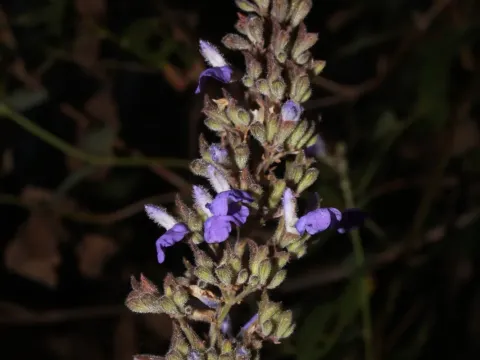
Salvia dasycalyx
Salvia dasycalyx
Salvia dasycalyx belongs to the Lamiaceae family. It is a perennial herbaceous plant requiring specific environmental conditions for optimal development.
What the section contains
Salvia dasycalyx
The sowing process is typically carried out in spring when soil temperatures reach stable positive values, ensuring rapid germination.
Proper seed preparation, including stratification or soaking in growth promoters, is essential to increase field emergence rates significantly.
Seeds should be sown in rows with spacing between 45 and 60 cm to allow for efficient mechanical weed control and sufficient air circulation.
In regions with mild winters, autumn sowing can also be considered, as it allows seeds to undergo natural stratification during the winter months.
This crop thrives in well-lit areas, as direct sunlight is crucial for the synthesis of essential oils in the leaves and flowering parts.
The soil should be well-drained, fertile, and light in texture, such as sandy loams, to prevent waterlogging which is harmful to root health.
Salvia dasycalyx demonstrates moderate drought resistance but requires regular moisture during the active vegetative growth phase for maximum yields.
Neutral or slightly alkaline pH levels are optimal for nutrient uptake, helping the plant build strong stalks and lush foliage.
Fertilizing with balanced mineral complexes rich in phosphorus and potassium promotes hardiness and increases resistance to winter stressors.
Crop yield is highly dependent on planting density and the intensity of care provided throughout the growth season by the agronomist.
Productivity typically peaks in the second or third year, as the plant establishes a robust root system and multiple branching stems.
Harvesting is best conducted during the mass blooming phase, as this is when the concentration of valuable aromatic oils reaches its maximum.
Using modern harvesting machinery and efficient drying techniques ensures higher quality output suitable for pharmaceutical or food industry standards.
Overall annual yield is also influenced by climatic stability and the absence of extreme weather events during the developmental stages.
Fungal diseases like downy mildew and powdery mildew are significant threats, especially during periods of high humidity and poor ventilation.
Pests, particularly aphids and spider mites, can damage plant tissues, leading to reduced vitality and poor development of the flowers.
Implementing a strict crop rotation schedule prevents the build-up of soil-borne pathogens and minimizes the risk of widespread infestation.
Weed management is a critical preventative measure, as unwanted vegetation often serves as a primary host for various insect pests.
Early detection through frequent field inspections allows for targeted biological treatments, preserving the purity of the medicinal product.
Harvesting should occur on dry, sunny days to ensure the raw material remains free from excess moisture before the drying process begins.
Professional harvesters cut the top flowering portions of the stems, leaving enough foliage to allow for potential regrowth or plant recovery.
Rapid transport to drying facilities is essential to prevent fermentation or oxidation, which can compromise the quality of the essential oils.
Drying is performed in ventilated spaces at low temperatures, generally not exceeding 40 degrees Celsius, to maintain the aromatic profile.
Once dried, the crop is packed into appropriate containers to maintain freshness and protect it from humidity and contamination during storage.