
Salvia brachiata
Salvia brachiata
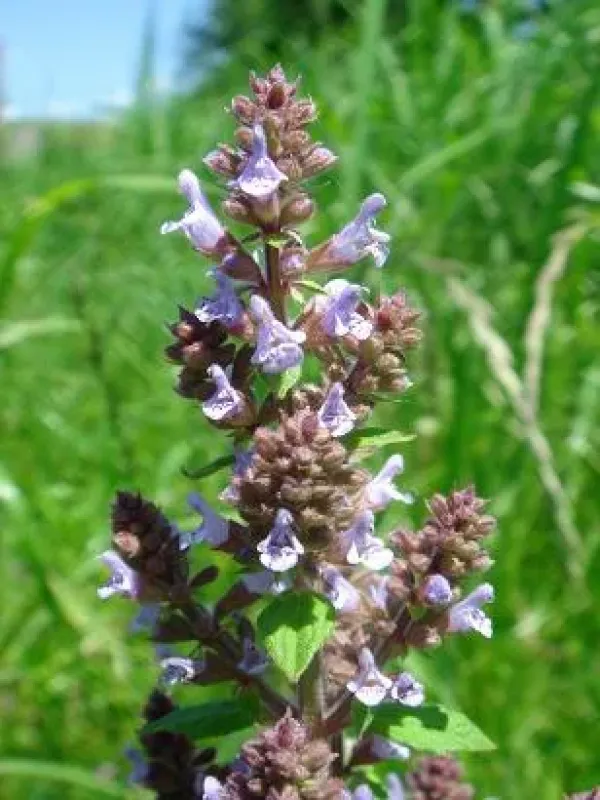
Description
Sowing dates
Sowing of Salvia brachiata should be initiated in the spring when soil temperatures reach 10-12 degrees Celsius, typically in late April or early May.
Seeds should be planted at a depth of approximately 1 to 1.5 centimeters to ensure adequate moisture contact and a healthy germination rate.
When sowing in rows, maintain a distance of 45-60 centimeters between them to facilitate mechanical cultivation and ensure proper plant spacing.
Germination usually occurs within 14 to 20 days, requiring consistent soil moisture levels during this sensitive period to avoid seedling dehydration.
For greenhouse-started seedlings, sow in trays during March to prepare robust plants for transplantation into the field once the threat of frost has passed.
Growing requirements
Salvia brachiata belongs to the Lamiaceae family and is a sun-loving crop that thrives in locations with full, direct exposure to sunlight throughout the day.
The plant prefers light, well-draining sandy or loamy soils, as it is highly sensitive to waterlogging, which can cause rapid root rot and plant decay.
While exhibiting moderate drought tolerance once established, consistent irrigation is necessary for optimal foliage development during the active growth stage.
The ideal temperature range for this sage variety is between 20 and 25 degrees Celsius, promoting vigorous growth and the production of secondary metabolites.
Proper soil preparation, including adding organic matter, helps in creating the ideal structure for deep root system development and efficient water uptake.
Yield
The yield potential of Salvia brachiata depends significantly on the nutrient management program and consistent moisture supply throughout the season.
Under optimal conditions, growers can expect an annual yield of 15 to 25 centners of dried raw material per hectare in well-managed plantations.
Plants reach their peak biomass production during the second and third years, making these the most productive phases for commercial harvesting.
Implementing a balanced fertilizer regime, specifically focusing on phosphorus and potassium, significantly enhances the quality of the essential oils.
Regular maintenance of the inter-row space helps manage weed competition, which is essential to maximizing the final crop output and overall plant health.
Main diseases and pests
Fungal diseases such as downy mildew and powdery mildew are common threats, particularly when humidity levels remain high for extended periods.
Root rot issues often arise from poor drainage or excessive soil moisture, emphasizing the importance of site selection and careful irrigation management.
Pests like the sage moth or various leaf-feeding caterpillars can inflict damage, requiring integrated pest management strategies to protect the harvest.
Biological controls and targeted applications of pesticides should be used judiciously to avoid harm to local pollinator populations that frequent the flowers.
Crop rotation is the most effective preventative measure to disrupt the life cycles of soil-borne pathogens and maintain a healthy field environment.
Harvesting
Harvesting is performed during the peak flowering stage to ensure the highest concentration of beneficial aromatic compounds within the plant tissues.
Mowing should be conducted during dry weather, preferably in the morning after dew evaporates, to preserve the integrity and quality of the collected herbs.
Immediate drying is required following the harvest to halt enzymatic degradation and lock in the aromatic properties of the harvested plant material.
Drying should be carried out in shaded, well-ventilated structures where temperatures remain moderate to prevent the loss of volatile oils and color.
Once dried, the product should be carefully sorted and stored in moisture-proof containers to ensure it maintains its shelf life and market value.