
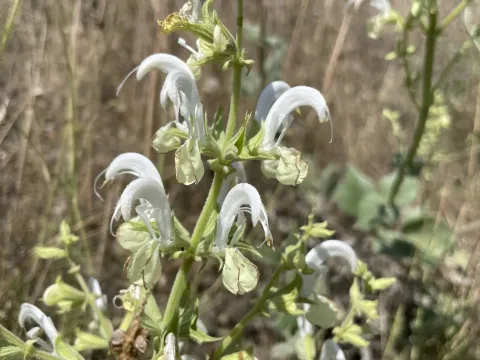
Salvia candidissima
Salvia candidissima
Sowing Salvia candidissima should occur in spring, once the soil has warmed to at least 10-12 degrees Celsius. The seeds often require a period of cold stratification to break dormancy, ensuring a more uniform germination rate across the field.
What the section contains
Salvia candidissima
Seeds are typically sown in rows with a spacing of 45-60 centimeters. This row spacing is crucial for machinery access and ensures that the plants receive adequate airflow, which is vital for preventing humidity-related issues in the canopy.
The optimal sowing depth is shallow, approximately 0.5 to 1 centimeter. Because the seeds are small, covering them with too much soil can significantly impede germination; a light press on the soil surface is sufficient to ensure good contact.
Germination usually takes between two to three weeks. During this phase, it is essential to keep the soil consistently moist but never waterlogged, as the seeds are prone to rotting if they sit in standing water for extended periods.
Starting with transplants is a common practice in commercial settings. By raising seedlings in greenhouse trays for several weeks, farmers can ensure a higher plant survival rate and achieve consistent stand density in the field.
Salvia candidissima is a perennial herb belonging to the Lamiaceae family, native to the rugged terrains of Turkey. It is biologically optimized for arid, rocky, and high-altitude environments, making it a robust choice for certain climates.
This species thrives in well-drained, porous soils. It is particularly intolerant of heavy, clay-rich soils that retain moisture for too long. If the site has dense soil, it is highly recommended to amend it with sand or grit to improve drainage.
Nutrient requirements are relatively low, as the plant is adapted to nutrient-poor soils. Excessive nitrogen fertilization should be avoided as it promotes succulent, weak growth that is susceptible to frost damage and fungal infections during winter.
The climate must provide high solar radiation, as Salvia candidissima requires full sun to maintain its characteristic white, pubescent (hairy) foliage. Shaded conditions will lead to leggy, unattractive growth and reduced essential oil production.
The plant demonstrates significant drought tolerance once established. Its hairy leaves reflect sunlight and reduce transpiration, allowing the plant to maintain turgor pressure even during extended hot and dry periods typical of its native range.
Root rot is the most serious threat to Salvia candidissima, almost always associated with poor soil drainage or excessive irrigation. Once the root system is compromised, the plant is rarely salvageable, making preventative site preparation essential.
Fungal diseases like powdery mildew can appear in environments with high ambient humidity or poor air circulation. Managing plant density and ensuring the site is not prone to stagnant air can effectively mitigate the risk of these infections.
Pests such as spider mites can infest the foliage, particularly during dry, dusty conditions. The tiny mites thrive in hot, arid environments, and regular scouting of the underside of leaves is necessary to catch infestations early before they spread.
Weed competition is a significant threat during the establishment phase. Because young sage plants grow relatively slowly, they can easily be overwhelmed by aggressive annual weeds, necessitating early mechanical cultivation or hand-weeding.
Insects like aphids can occasionally cluster on the tender new growth of the flower stalks. While minor infestations are rarely lethal, they can weaken the plant's overall vigor and should be addressed if numbers exceed economic thresholds.