
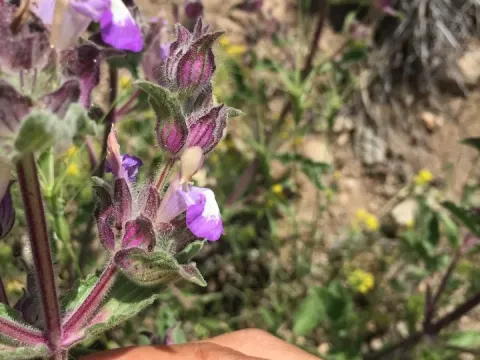
Salvia bracteata
Salvia bracteata
Sowing of Salvia bracteata should take place in early spring once soil temperatures reach 8 to 10 degrees Celsius to ensure steady germination.
What the section contains
Salvia bracteata
For better results in cooler regions, it is recommended to start seeds in greenhouses or cold frames approximately 6–8 weeks before the last expected frost.
Seeds should be sown at a shallow depth of about 1 centimeter, as they require minimal light to initiate the germination process effectively.
Consistent moisture levels are critical during the first two weeks post-sowing, as the soil surface must not be allowed to dry out completely.
Fall sowing is an alternative method that allows seeds to undergo natural stratification, often leading to more vigorous growth during the subsequent spring season.
This crop thrives in open, sunny locations where it can receive maximum exposure to sunlight, which is essential for oil production and structural development.
Well-drained, sandy loam soils with a neutral pH are ideal for cultivating Salvia bracteata, as they prevent the roots from becoming waterlogged.
Salvia bracteata is known for its high drought tolerance, making it an excellent choice for regions with limited rainfall or irregular watering schedules.
Proper soil aeration is a key factor; heavy clay soils should be amended with organic matter or sand to improve root penetration and prevent rot.
While the plant prefers moderate temperatures between 20–25 degrees Celsius, it demonstrates good hardiness against occasional cold snaps during winter months.
Crop productivity is largely determined by plant density, with optimal yields achieved at spacing that allows for 4 to 6 plants per square meter.
Harvesting the biomass typically yields between 1.5 and 3 tons of dried material per hectare, depending on soil quality and the frequency of cultivation.
Regular monitoring of plant health and nutrient status is necessary, as balanced fertilization can significantly boost the overall vegetative biomass.
The economic potential of this species is highest when managed for high-quality essential oil extraction, which requires optimal harvest timing.
Commercial plantations can maintain good yield levels for several years before needing rejuvenation or crop rotation to maintain soil fertility.
Fungal diseases such as powdery mildew represent the primary threat to the crop, especially in conditions where air circulation is restricted by overcrowding.
Pests such as aphids and spider mites can occasionally affect the leaves, particularly during periods of extreme heat and prolonged dry spells.
Maintaining a clean field by removing debris and weeds significantly reduces the risk of pest and disease outbreaks throughout the growing season.
Integrated pest management, including the use of organic deterrents, is recommended to protect the chemical composition and purity of the harvested product.
Proper spacing between rows is essential for maintaining natural airflow, which acts as the first line of defense against many common plant pathogens.
The harvest should be performed during the peak of the flowering period, ensuring that the bracts and blooms are fully mature and chemically active.
Cutting should be done during the early morning hours, as this is when the concentration of aromatic oils in the aerial parts is at its highest.
Drying must be conducted in dark, well-ventilated rooms to prevent the degradation of essential oils and to maintain the natural color of the bracts.
Artificial drying at low, controlled temperatures (not exceeding 40 degrees Celsius) can be used to speed up the process while preserving crop quality.
Once dried, the crop should be processed and stored in airtight, moisture-proof packaging to preserve its quality for long-term storage or shipment.