
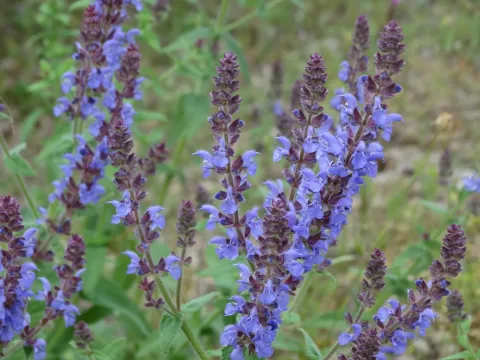
Salvia amplexicaulis
Salvia amplexicaulis
Salvia amplexicaulis is a perennial herbaceous plant belonging to the Lamiaceae family. The species is characterized by its distinct foliage, where leaves clasp the stem, which serves as a unique morphological trait identifying this specific member of the sage genus.
What the section contains
Salvia amplexicaulis
The native distribution of this plant includes parts of Southeastern Europe, where it thrives in open, stony habitats and grasslands. It is well-adapted to environments where competition for light is minimal and soil moisture levels fluctuate significantly throughout the year.
For agricultural purposes, the crop requires well-drained, alkaline or neutral soils. It is highly resilient to drought, which makes it a suitable candidate for cultivation in arid regions where intensive irrigation is not feasible or economically justifiable.
Sun exposure is a critical factor for the development of Salvia amplexicaulis. The plant thrives in full sun, which facilitates the synthesis of essential oils and other secondary metabolites within its tissues, enhancing the quality of the harvested biomass.
Proper agronomic management involves regular inter-row cultivation to ensure adequate soil aeration. Maintaining a weed-free environment during the first year of establishment is vital, as the seedlings are initially slow to grow and can be easily outcompeted by invasive weeds.
The main phytosanitary challenges for this crop include fungal infections such as powdery mildew and root rot, which typically occur under conditions of excessive humidity. Ensuring proper field drainage is the primary defense strategy against these pathogens.
Insect pests such as aphids and various larvae can damage the foliage and roots, leading to reduced overall yield. Integrated Pest Management (IPM) practices, including the use of pheromone traps and beneficial insects, are recommended for large-scale production.
Monitoring the field for signs of early infestations is essential for maintaining crop health. When symptoms appear, localized intervention is preferred over broad-spectrum chemical treatments to preserve the ecological balance of the plantation.
Soil-borne pests can be mitigated through correct crop rotation cycles. Avoiding the planting of Lamiaceae species in succession helps to break the life cycles of specialized pests and soil pathogens that thrive on members of this botanical family.
Strategic harvesting, combined with post-harvest drying techniques, also plays a role in protecting the final product. Preventing moisture accumulation in stored biomass is crucial to avoid microbial contamination and loss of volatile oil quality.