
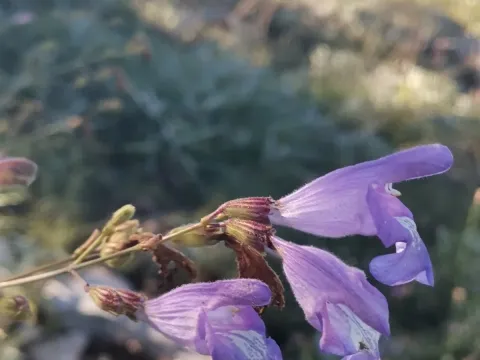
Salvia brachyodon
Salvia brachyodon
Salvia brachyodon, commonly known as short-toothed sage, is a rare perennial herbaceous plant belonging to the Lamiaceae family. Its native range is highly restricted to specific Adriatic mountain regions, marking it as a species of significant botanical interest.
What the section contains
Salvia brachyodon
This species requires well-draining, calcareous soil and thrives in sunny, exposed locations. It is naturally adapted to harsh, Mediterranean-like environments where water availability is limited and solar radiation is intense throughout the growing season.
Proper cultivation management involves strictly avoiding moisture accumulation around the roots. The soil pH should be neutral or slightly alkaline, reflecting the plant's natural adaptation to limestone rocky substrates typical of its native habitat.
Botanically, Salvia brachyodon displays specialized physiological mechanisms to conserve water, including distinct leaf pubescence. These structures are crucial for survival during dry summers and are key features for identifying this rare member of the sage genus.
In terms of хозяйственное (economic) utility, while this species is primarily appreciated for its conservation status and genetic diversity, its drought-resistant traits make it a candidate for research in developing hardy cultivars for arid land landscaping.
The primary threat to the health of Salvia brachyodon is the development of fungal pathogens, particularly root rot, which arises from excessive soil humidity. Waterlogging is the most common cause of crop failure in cultivated environments.
Pest pressure from aphids and spider mites can become significant in sheltered areas with poor air circulation. Regular monitoring is necessary to prevent these insects from weakening the plant and causing physiological stress.
Powdery mildew represents a recurring issue if the environmental humidity is not properly controlled. Sufficient plant spacing is essential to ensure adequate airflow and prevent the rapid spread of fungal spores among the foliage.
Weed competition is particularly detrimental during the early establishment phase of the plant. Since Salvia brachyodon does not have a rapid initial growth rate, it requires active management to ensure it does not get choked by faster-growing vegetation.
Winter injury can occur if the plants are exposed to extreme freezing cycles, especially in soils that remain moist. Protecting the root zone with dry mulch is recommended to prevent frost heaving and tissue damage to the basal parts of the plant.