
Salicifolia bugle
Ajuga salicifolia
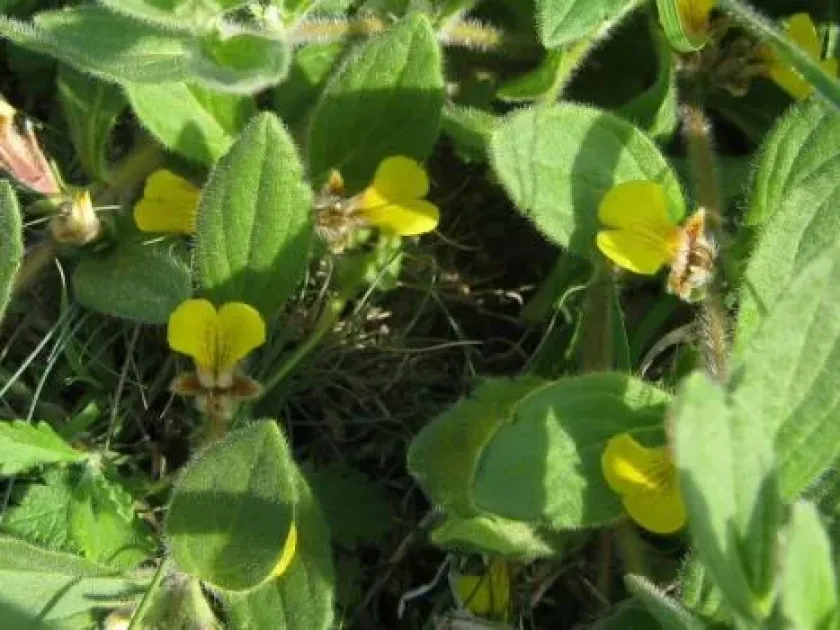
Description
Sowing dates
The Salicifolia bugle (Ajuga salicifolia) is a member of the Lamiaceae family, known for its creeping habit and adaptability to various environmental conditions. Propagation is typically achieved through seeds or vegetative division of the root system.
Sowing should take place in early spring once the threat of severe frost has passed and the soil has sufficiently warmed to promote rapid germination of the small seeds.
For large-scale cultivation, vegetative propagation is preferred as it ensures uniformity of the crop and faster establishment in the field compared to direct seeding.
Spacing between plants must be carefully calculated based on the desired density, as the species tends to spread horizontally, forming a dense cover that inhibits weed growth.
Before sowing or planting, the field should be prepared by plowing and removing perennial weeds, creating a loose seedbed that allows for the rapid expansion of the root network.
Growing requirements
This crop thrives in moist, well-drained soils and shows a preference for areas with moderate fertility, such as loam or sandy loam, which prevent the root system from suffocating.
Regarding climate, the plant exhibits a high degree of hardiness, successfully growing in temperate zones where it can withstand both cold winter temperatures and mild summer heat.
While it is capable of growing in full sun, the plant performs best in partial shade, as this environment maintains the soil moisture required for optimal vegetative development.
Fertilization with organic matter in the early stages of growth significantly enhances the yield of the green mass, contributing to the overall vigor of the crop during the peak season.
Water management is crucial; although the plant can survive short periods of drought, regular moisture levels are essential for achieving the best vegetative performance and leaf quality.
Main diseases and pests
Slugs and snails are the primary pests of this species, particularly in wet and cool seasons when they can cause significant damage to the leaf tissue if not managed appropriately.
Fungal diseases like powdery mildew may appear during periods of high humidity and poor air circulation, which is often a result of overcrowding within the plant rows.
Root rot remains a major threat if the soil remains waterlogged for extended periods, necessitating the installation of proper drainage systems in fields prone to standing water.
Integrated pest management strategies, such as maintaining appropriate plant spacing and monitoring for signs of infestation, are recommended to maintain the health of the culture.
- Periodic field inspections for early signs of mildew or pest damage.
- Implementation of thinning practices to improve aeration within the crop.
- Application of sustainable soil management to promote overall plant resistance.