
Callicarpa shirasawana
Callicarpa shirasawana
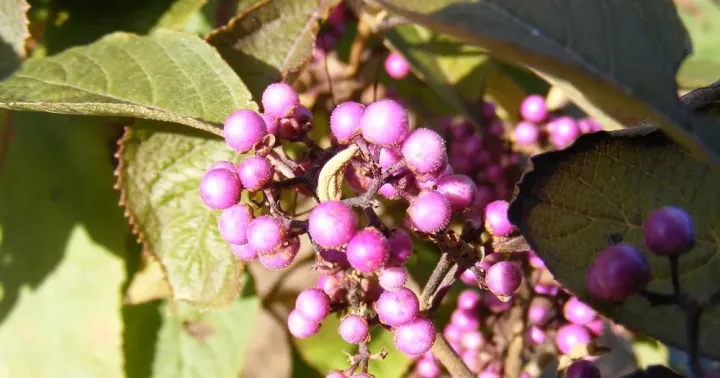
Description
Growing requirements
Callicarpa shirasawana, commonly known as Shirasawa's beautyberry, is a deciduous shrub belonging to the Lamiaceae family. This species is highly valued in horticulture for its unique foliage and striking clusters of vibrant berries that persist well into the late autumn and early winter months.
Native to the mountain regions of Japan, this plant is well-adapted to temperate forest environments. It thrives in locations that offer partial shade or dappled sunlight, protected from the harsh afternoon sun and strong, desiccating winds that can damage its foliage.
The ideal soil for this species is fertile, moisture-retentive, yet exceptionally well-drained. Because it is sensitive to waterlogged conditions, growers should amend heavy soils with organic matter and gravel to prevent root rot and promote healthy lateral root development.
Climatic requirements for Callicarpa shirasawana include a need for consistent moisture during the growing season. While the shrub is relatively hardy, it appreciates a sheltered location, especially in northern regions, to protect young growth from late spring frosts and severe winter temperatures.
Basic cultural practices involve annual pruning to maintain a desirable shape and to encourage new wood growth. Since the species blooms and fruits on current-season branches, proper pruning in late winter or early spring is essential for maximizing the decorative berry display.
Main diseases and pests
Like many species in the Lamiaceae family, Callicarpa shirasawana is relatively robust but remains susceptible to certain fungal issues under conditions of poor air circulation. Powdery mildew can occur if the humidity remains high and the foliage does not dry properly.
Pest pressures primarily include sap-sucking insects such as aphids and spider mites. These pests typically congregate on the underside of leaves and can cause yellowing and stunted growth if left unmanaged. Regular monitoring and applications of insecticidal soap are usually effective.
Root rot is a significant concern in sites with poor drainage. Once established, this condition is difficult to reverse, emphasizing the importance of site selection and soil preparation before planting the shrub in its permanent position.
Nutrient deficiencies can occasionally manifest as chlorosis if the soil pH becomes too alkaline. Monitoring the soil and applying balanced fertilizers with chelated micronutrients can help maintain the plant's vigor and its characteristic deep green leaf color.
Mechanical damage from rodents can occur in cold climates during winter. Protecting the base of the stems with wire mesh or tree guards is a recommended practice to prevent girdling, which can be fatal to young or smaller ornamental specimens.