
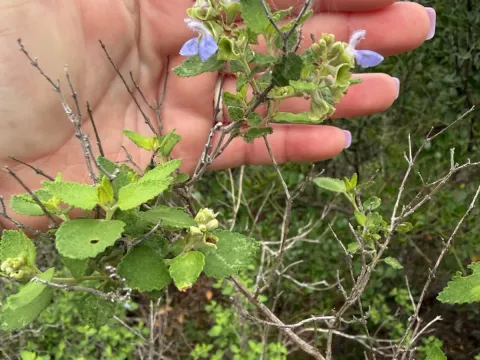
Ballota-leaf sage
Salvia ballotiflora
Sowing of Salvia ballotiflora seeds should ideally take place in early spring once soil temperatures reach 12–15 degrees Celsius. Seeds should be sown in loose, well-draining soil at a depth of approximately 1 to 1.5 cm to ensure optimal germination rates.
What the section contains
Ballota-leaf sage
Both direct sowing and transplanting methods are widely used, depending on the climatic zone. Using seedlings is generally preferred in regions with shorter growing seasons, as it allows plants to establish well before the summer heat intensifies.
The recommended planting spacing is 50–60 cm between rows and 30–40 cm between individual plants. This spacing is crucial for maintaining proper airflow, which significantly reduces the risk of fungal infections and promotes uniform plant development.
Checking seed viability is a vital preliminary step before sowing to ensure target plant density. Seedlings usually emerge within 14–20 days, provided that the soil surface remains consistently moist during the critical early development phase.
While the plant can regenerate vegetatively, it is standard agricultural practice to renew commercial plots every 3–5 years. This renewal ensures that the crop maintains high productivity and optimal concentration of active chemical compounds.
Salvia ballotiflora belongs to the Lamiaceae family and is recognized as a drought-tolerant perennial subshrub. Originating from the arid landscapes of Mexico and the Southwestern United States, it thrives best in environments with intense solar exposure.
The crop prefers well-drained, lime-rich, or rocky soils with a neutral to slightly alkaline pH. Heavy clay soils that retain moisture are unsuitable, as they often lead to root rot and compromise the structural integrity of the plant system.
In terms of climate, the plant is well-adapted to high summer temperatures but requires protection during severe winters. In regions with prolonged freezing, it is advisable to mulch the root zone to prevent excessive soil chilling.
Water management is essential; irrigation should be moderate to avoid waterlogging. Being naturally adapted to arid conditions, the plant is highly sensitive to excessive moisture, which can diminish the quality and potency of its essential oils.
Effective weed management is mandatory, especially during the plant's establishment phase. Regular mechanical cultivation of row spaces improves aeration and prevents competing weeds from depleting soil resources necessary for healthy plant growth.
The primary economic focus for Salvia ballotiflora is the harvesting of its aromatic aerial parts, which contain valuable essential oils. The final yield is heavily dependent on soil fertility, consistent sunshine, and age of the plantation.
Productivity typically peaks during the second and third years of growth as the root systems become fully established. Harvesting is timed to coincide with the peak of the flowering phase, when the concentration of secondary metabolites is at its maximum.
The essential oil extracted from this species serves various roles in the food and beverage industry as a natural aromatic additive. Furthermore, the dried herb is utilized in traditional medicine and increasingly as a fragrant component in ornamental landscaping.
With correct agricultural management, growers can achieve two full harvests per growing season. Post-harvest fertilization with balanced minerals is essential to stimulate the regrowth of lateral branches for the next cutting cycle.
Post-harvest processing requires careful drying in shaded, well-ventilated areas to maintain the volatile components. Avoiding direct sunlight during drying is critical to preventing the degradation of the delicate aromatic compounds that define the crop's quality.
Common pests affecting Salvia ballotiflora include spider mites and various aphid species, which target young foliage. In humid conditions, thrips may also appear, significantly impacting the aesthetic and commercial value of the herbal product.
Root rot, primarily caused by fungal pathogens such as Phytophthora, represents the most significant threat to crop longevity, especially in poorly drained soils. Early detection and strict moisture control are the best strategies for disease prevention.
Powdery mildew may occur if planting densities are too high or air circulation is obstructed. Integrated pest management, including biological fungicides, is recommended to control these issues without compromising the organic standard of the harvest.
The use of chemical insecticides should be strictly minimized, particularly as the harvest season approaches, to ensure residue-free products. Pheromone traps and beneficial insect release provide effective alternatives for maintaining field health.
Practicing systematic crop rotation is essential to prevent the buildup of soil-borne pathogens. Avoid planting Salvia species in areas previously occupied by other Lamiaceae members to break the life cycles of host-specific pests and diseases.
Harvesting of Salvia ballotiflora is performed at the peak of the bloom cycle to ensure the highest yield of quality botanical material. The aerial parts are cut at a height of 10–15 cm from the soil surface to encourage rapid regrowth.
Efficient logistics are vital; the harvested material should be transported for processing immediately after cutting. Prolonged exposure of the cut crop to the field environment results in rapid loss of essential oil quality through evaporation.
Mechanical harvesters are typically used for large-scale operations, calibrated to a precise cutting height to prevent soil contamination. Ensuring the harvest is free from weeds and debris is essential for meeting industry-standard quality requirements.
Harvesting should only occur during dry weather conditions, strictly avoiding early morning dew. Processing wet material significantly increases the risk of microbial growth, which can irreversibly damage the chemical composition of the final product.
Following the harvest, the field should be cleared of residual plant matter. Soil aeration and the application of supplemental potassium and phosphorus fertilizers help prepare the plants for the next growing cycle and enhance cold hardiness.