
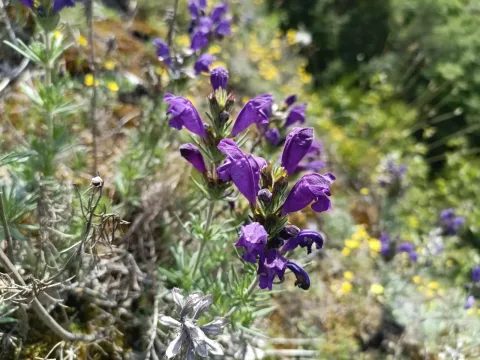
Austrian dragonhead
Dracocephalum austriacum
Sowing of Austrian dragonhead is primarily carried out in the spring when the soil temperature reaches 8–10 degrees Celsius. The seeds have high germination rates but often require pre-treatment or stratification to ensure uniform emergence.
What the section contains
Austrian dragonhead
The optimal planting time in temperate climates is between mid-April and early May. In southern regions, autumn sowing is possible, allowing the plants to utilize winter moisture for robust root system establishment.
The seeding depth should be 1–2 centimeters, as the seeds are small and require light exposure for successful germination. Recommended row spacing is approximately 45–60 centimeters to ensure adequate nutrition and air circulation.
For commercial production, it is important to maintain a planting density of about 200,000 to 300,000 plants per hectare. Using precision seeders simplifies early-stage maintenance significantly.
Once seedlings emerge, it is critical to maintain weed-free conditions. The dragonhead grows slowly during the initial vegetative phase, making timely weeding a vital aspect of crop management.
Austrian dragonhead is a perennial herbaceous plant belonging to the Lamiaceae family. Its native range includes mountainous regions of Europe, where it has adapted to stony and calcareous soil types.
For optimal growth, the crop requires well-drained, fertile loamy or sandy-loam soils with a neutral to slightly alkaline pH. Water stagnation is highly detrimental to the root system of this species.
The plant is highly light-demanding and drought-tolerant. Exposure to direct sunlight is essential for maximizing the concentration of essential oils in the leaves and flowers.
In terms of climate, Austrian dragonhead demonstrates excellent winter hardiness, allowing it to survive harsh winter conditions without protective cover. It shows high resilience to temperature fluctuations during the transition seasons.
Application of mineral fertilizers, particularly nitrogen and phosphorus during the early growth stages, positively influences biomass production. However, excessive fertilization can reduce the concentration of bioactive compounds.
The primary threats to Austrian dragonhead are fungal diseases caused by poor water management. Root rots are particularly dangerous in years with above-average rainfall.
Pests such as leaf beetles and aphids can cause damage to young shoots during active growth. Regular monitoring of the field allows for effective containment of outbreaks in the early stages.
Powdery mildew can also affect the foliage, especially in dense plantings with poor ventilation. Crop rotation remains the most effective preventive measure against the spread of such infections.
Biological pest control methods are preferred, which is particularly important if the final product is intended for pharmaceutical or food industry applications.
Using resistant varieties and maintaining spatial isolation from wild relatives within the same family helps minimize the risk of yield loss from species-specific diseases.
Harvesting of Austrian dragonhead is conducted during the mass flowering phase, when the content of essential oils and flavonoids reaches its peak, ensuring the highest product value.
The green mass is mowed at a height of 10–15 centimeters from the soil surface. It is essential to perform the harvest during dry weather to prevent raw material spoilage during the drying process.
Immediately after harvest, the material is dried in shaded, well-ventilated areas. The drying temperature should not exceed 40–45 degrees Celsius to preserve the aromatic and medicinal properties.
Once dried, the plant material is threshed or milled depending on its final purpose. High-quality raw material should possess a characteristic lemony scent associated with this genus.
Storage of the dried dragonhead should take place in airtight containers, protected from moisture and direct sunlight. This ensures the longevity of the herb's pharmacological qualities over extended periods.