
Ballota africana
Ballota africana
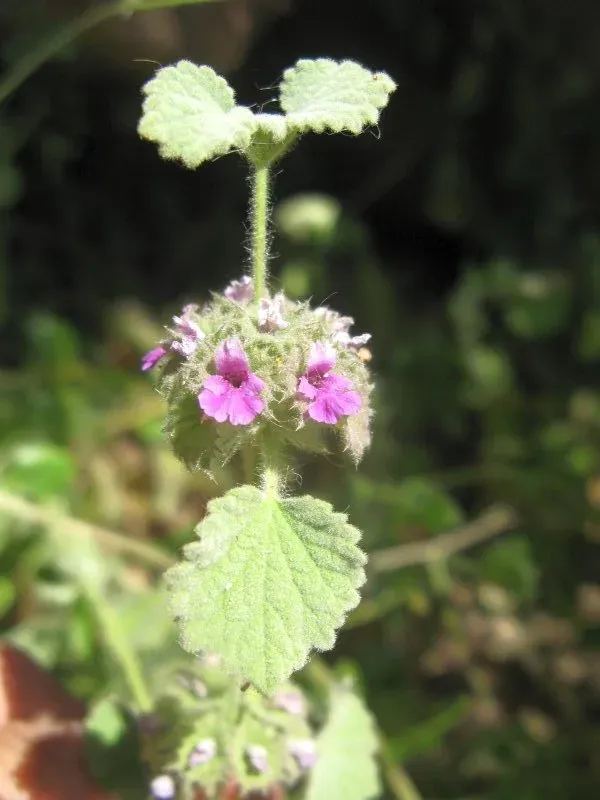
Description
Growing requirements
Ballota africana, also known as African black horehound, is a perennial herbaceous plant belonging to the Lamiaceae family. Native to the southern regions of Africa, this plant is well-adapted to Mediterranean-type climates characterized by dry summers and mild winters.
Botanically, the plant is recognized by its square stems and rugose, often greyish-green leaves that feature fine hairs. These morphological traits are essential adaptations that allow the plant to thrive in arid environments by retaining internal moisture.
Regarding soil requirements, Ballota africana demands well-drained, porous substrates. Waterlogging is the most critical factor for failure; therefore, planting in raised beds or on sloped terrain is recommended to ensure proper drainage and root health.
The plant exhibits high heliophilic requirements, meaning it thrives best in locations receiving full sun exposure throughout the day. Sufficient sunlight is crucial for the development of the essential oils and secondary metabolites that make this species valuable.
Agronomic management focuses on early-stage weeding and moderate irrigation. Once the root system is established, the plant becomes remarkably hardy and drought-tolerant, requiring minimal intervention compared to more demanding specialty crops.
Main diseases and pests
Fungal pathogens associated with damp soil conditions, particularly root rot, represent the most significant threat to the survival of Ballota africana. Preventing excessive soil moisture is the primary defense strategy for growers.
Common agricultural pests include aphids and spider mites, which can proliferate during extended dry periods. These pests stress the plants by extracting sap, potentially leading to stunted development and leaf distortion.
Powdery mildew may occur when humidity levels are high and air circulation between individual plants is insufficient. Proper spacing during the planting phase is essential to maintain a microclimate that inhibits fungal growth.
Nematode infestations can also affect yield quality over time if the crop is not rotated properly. It is advised to implement a strict rotation plan to preserve soil health and prevent pathogen accumulation.
Integrated pest management, prioritizing cultural controls such as plant spacing and precise irrigation, is the preferred method for maintaining healthy crops without relying on heavy chemical usage.