
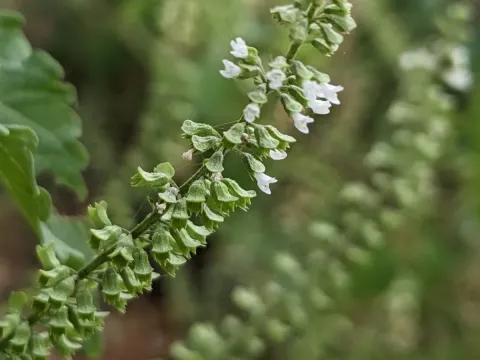
Basil
Basilicum
Basil (genus Ocimum) belongs to the Lamiaceae family and is a heat-loving annual herb. Because basil seeds germinate slowly, starting them indoors under controlled conditions is the preferred method for most growers.
What the section contains

Basil
Sowing should take place 4–6 weeks before the last expected frost date. Use a light, well-draining seed starting mix and keep the soil temperature between 20°C and 25°C to ensure successful germination.
Once the seedlings develop their first true leaves, they can be thinned. Harden off the plants gradually by exposing them to outdoor conditions before final transplanting into the garden beds.
When planting outside, space plants about 25–30 cm apart. Basil thrives in warm soil, so wait until the ground has fully warmed up before moving the seedlings from their indoor starter containers.
After transplanting, water the area thoroughly. Consistent soil moisture during the first few days is crucial to help the root system establish itself in the new environment.
Basil requires at least 6 to 8 hours of full sun daily. It is extremely sensitive to cold temperatures; exposure to temperatures below 10°C can stunt growth and cause leaf discoloration.
The soil should be fertile, moist, and well-drained with a slightly acidic to neutral pH. Incorporating organic compost before planting provides the necessary nutrients for vigorous leafy development.
Watering should be deep and directed at the base of the plant to keep the foliage dry. Excess moisture on the leaves can create a breeding ground for fungal diseases, especially in humid climates.
Fertilizing with a balanced liquid fertilizer every few weeks promotes continuous growth. Avoid excessive nitrogen, which can lead to rapid foliage growth at the expense of aroma and flavor.
Regular pruning is an essential maintenance task. Pinching off the top set of leaves encourages the plant to branch out, resulting in a bushier habit and a larger overall harvest of aromatic leaves.
Yields vary depending on the variety and local growing conditions. On average, a well-managed basil crop can produce 1–2 kg of fresh foliage per square meter during a single growing season.
Continuous harvesting through pinching back the shoots allows for multiple pickings. This method extends the harvest period and prevents the plant from maturing too early in the summer.
Optimal light intensity is the primary driver of yield. Greenhouse-grown basil with supplementary lighting can achieve significantly higher yields compared to outdoor crops in temperate zones.
The total yield is also influenced by spacing. Proper air circulation between plants reduces the likelihood of disease outbreaks, ensuring that more of the biomass is marketable and healthy.
By preventing flower initiation, growers can maintain high-quality leaves over a longer period. Once the plant switches to reproductive growth, its vegetative yield drops significantly.
Fungal diseases are the most common issue for basil. Fusarium wilt can cause sudden collapse of the plant, while grey mold (Botrytis) often appears in cool, damp conditions with poor ventilation.
Damping-off is a frequent problem for young seedlings. It is usually caused by overwatering and a lack of proper airflow, which encourages pathogenic fungi to attack the vulnerable stems.
Common insect pests include aphids and spider mites. These pests suck sap from the leaves, which can lead to wilting, yellowing, and an overall decrease in the plant's health and marketability.
Crop rotation is the most effective cultural practice for disease management. Avoid planting basil in the same spot for more than one season to break the lifecycle of soil-borne pathogens.
For pest control, integrated management including manual removal and the application of organic insecticidal soaps is recommended, ensuring that the safety of the harvest is not compromised.
Harvesting should be performed in the early morning when the essential oil concentration is at its peak. Use a sharp, sanitized blade to ensure clean cuts and minimize damage to the plant.
For fresh use, pick individual leaves or trim entire stems above a leaf node. Regular trimming is better than harvesting the whole plant at once, as it keeps the basil productive for longer.
Post-harvest handling is critical because basil leaves are highly perishable. Store fresh cut basil at room temperature (around 15°C) in a vase of water; avoid refrigerating it, as cold temperatures turn the leaves black.
If processing for long-term storage, leaves can be dried in a cool, dark, and well-ventilated space. Alternatively, they can be blended into a paste with olive oil and frozen for later use.
Beyond culinary use, basil has a long history in herbal medicine due to its high concentration of antioxidants and volatile compounds, making it a valuable crop for both food and wellness industries.