
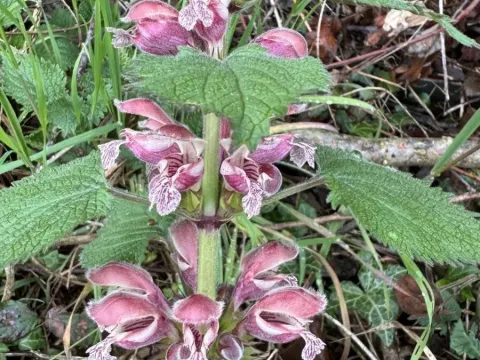
Balm-leaved archangel
Lamium orvala
Lamium orvala, commonly known as the Balm-leaved archangel, is a robust herbaceous perennial member of the Lamiaceae family. Unlike its prostrate cousins, this species is noted for its upright, clumping habit, reaching heights of up to 60 centimeters with attractive, heart-shaped leaves.
What the section contains
Balm-leaved archangel
The plant is native to the woodlands and mountain regions of Central and Southern Europe. It thrives in temperate forest conditions, favoring cool, shaded environments where soil moisture remains consistent throughout the spring and early summer growing season.
Cultivation success relies on providing fertile, humus-rich, and well-draining soil. It is particularly well-suited for woodland gardens or shady borders where other plants might struggle due to limited direct sunlight exposure, provided the soil remains moist.
The optimal location for this species is partial to full shade. While it can tolerate brighter spots, intense afternoon sun is detrimental and often leads to foliage scorch. Proper placement ensures the plant maintains its vibrant green appearance and healthy flowering cycle.
Maintenance is relatively straightforward, involving regular watering during dry spells to keep the root system hydrated. In the autumn, applying a light layer of organic mulch helps retain soil moisture and protects the crown from extreme temperature fluctuations in colder zones.
Although generally hardy, Lamium orvala can be susceptible to powdery mildew, especially during hot and humid summers with poor air circulation. This fungal disease appears as a white, powdery coating on the foliage and can reduce the aesthetic appeal of the plant.
Root rot is another significant risk, primarily associated with heavy, waterlogged soils. Ensuring excellent drainage is the most effective preventative measure; if the soil is clay-based, it should be amended with compost or coarse sand to improve structure and aeration.
Gastropods such as slugs and snails represent the primary pest challenge for this species. These creatures are particularly attracted to the tender foliage and can cause considerable damage in a short period if the surrounding garden environment is damp.
Occasionally, sap-sucking insects like aphids may colonize the new growth. While rarely fatal, heavy infestations can weaken the plant and cause leaves to curl or yellow, requiring intervention with horticultural oils or mild insecticidal soaps.
The best long-term strategy for plant health is proper spacing, which allows for sufficient airflow between clumps. Regularly removing dead leaves and clearing debris around the base of the plant significantly reduces the habitat available for pests and fungi.