
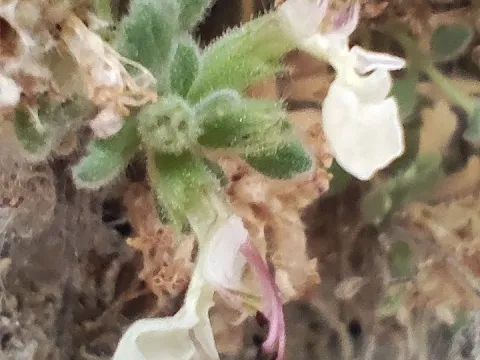
Round-leaved germander
Teucrium rotundifolium
Sowing of Teucrium rotundifolium is best performed in early spring once the soil temperature consistently reaches a suitable level for germination.
What the section contains
Round-leaved germander
The seeds are relatively small and require shallow sowing; covering them with a very thin layer of substrate is essential for proper light exposure.
For container-based production, using a seed-starting mix with high sand content ensures optimal drainage during the initial growth phase.
Transplanting seedlings to the final garden bed should be timed to avoid frost, allowing the root system to establish before the heat of summer.
Space the plants approximately 30-40 cm apart to prevent competition for resources and ensure adequate airflow across the growing area.
As a member of the Lamiaceae family, the round-leaved germander thrives in rocky and nutrient-poor Mediterranean habitats.
This crop is highly drought-tolerant, making it an excellent candidate for xeriscaping or sustainable agriculture in arid regions.
Soil must be well-drained, preferably alkaline or neutral; standing water is the primary cause of failure in cultivating this species.
Full sun is mandatory for this plant, as light intensity directly correlates with the density of essential oils produced in the leaves.
The species is hardy but appreciates protection from extreme, harsh winter winds, which can cause leaf burn and stem damage.
Pathogenic fungi are the most significant threat to the round-leaved germander, particularly when moisture management is overlooked.
Powdery mildew may occur if the plants are situated in areas with poor ventilation and high humidity, leading to visible white patches on leaves.
Root rot is a critical concern, often caused by overwatering or soil types that retain moisture for too long after irrigation.
Pests like spider mites can become an issue during extended periods of heat and low rainfall, necessitating regular crop monitoring.
Maintaining a clean cultivation area and removing weed competition are essential practices to minimize the occurrence of common pathogens.
Harvesting is typically carried out during full bloom to ensure that the concentration of bioactive compounds is at its seasonal peak.
Using sanitized pruning shears, growers cut the upper third of the flowering stems, which encourages the plant to remain compact and bushy.
Post-harvest, the stems should be dried in a well-ventilated, shady environment to maintain color and potency of the essential oils.
Proper drying is vital to prevent decomposition and ensure a high-quality product for herbal or ornamental end-use.
Stored material should be kept in airtight containers in a cool, dark place to preserve the aromatic qualities for several months.