
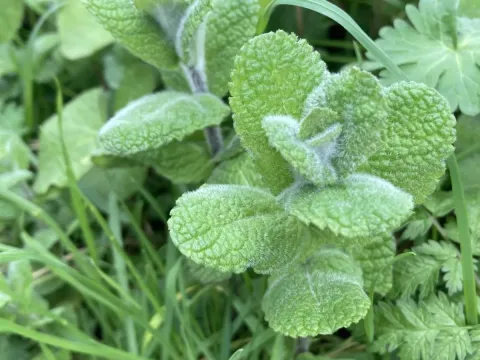
Round-leaved mint
Mentha suaveolens
Propagation of Mentha suaveolens is primarily carried out vegetatively through rhizome division or stem cuttings, as this method ensures the preservation of the plant's characteristic aroma and growth traits. The best time for planting is early spring, once the soil has warmed sufficiently.
What the section contains
Round-leaved mint
Planting density is a crucial factor, given the plant's vigorous spreading habit. It is recommended to space plants at least 45 centimeters apart to prevent overcrowding, which can lead to poor air circulation and promote the development of fungal diseases.
For cuttings, select healthy terminal shoots approximately 10 to 15 centimeters long. Placing them in a moist, sandy potting mix will encourage root formation within two to three weeks, after which they can be transplanted to a permanent garden location.
In commercial settings, establishing rows with sufficient spacing facilitates mechanical maintenance and weed control. Using root barriers or raised containers is highly advised if the mint is planted in mixed gardens to prevent it from outcompeting neighboring crops.
While seed sowing is possible, it is not recommended for uniform crop production due to genetic variability. If seeds must be used, start them in indoor trays during late winter to ensure they are ready for transplanting as soon as the frost risk has passed.
Mentha suaveolens, belonging to the Lamiaceae family, thrives in fertile, moist, and well-draining soils. It shows a preference for neutral to slightly acidic pH levels and can adapt to a variety of soil textures, provided that organic matter content remains high.
Water management is critical for this species; while it enjoys moisture, it cannot tolerate waterlogged conditions. Regular, moderate irrigation is essential during dry spells to maintain high essential oil content in the leaves, which is the primary value of the crop.
The plant performs best in full sun to partial shade. Exposure to direct sunlight is generally beneficial as it encourages more robust growth and higher aromatic yield, though some light shade can be advantageous in exceptionally hot southern climates to prevent leaf scorch.
The ideal temperature range for round-leaved mint is between 15 and 25 degrees Celsius. It exhibits good hardiness, though in regions with severe winters, a light layer of mulch can help protect the rhizomes from freezing temperatures and frost heaving.
Nutrient requirements are modest; however, a nitrogen-rich fertilizer applied in early spring can significantly boost the production of green biomass. Avoid excessive use of fertilizers late in the season to allow the plant to properly harden off before the onset of winter.
Powdery mildew is the most prevalent disease, appearing as a white, dusty fungal growth on leaves. It is often triggered by poor ventilation and high humidity, making the maintenance of proper plant spacing and consistent air movement vital for disease prevention.
Mint rust is another significant concern, identified by orange pustules on the undersides of leaves. Early detection and the removal of affected plant parts are key strategies, combined with maintaining a clean field free of old crop debris to break the infection cycle.
Pests such as the mint leaf beetle can cause extensive damage by feeding on foliage, often resulting in skeletonized leaves. Integrating biological control methods or manually picking the beetles during their peak activity is effective for small to medium-scale production.
Aphids and spider mites may also infest the plants, particularly during hot, dry weather. These pests suck sap from the shoots, which can lead to stunted growth and leaf distortion, potentially reducing the overall quality and market value of the harvested crop.
Weed management is an essential component of crop health. By keeping the growing area free from competitive weeds, you ensure that the mint receives adequate nutrients and water, while also eliminating alternative hosts for many common mint-related pests and pathogens.
The ideal time to harvest Mentha suaveolens is during the full bloom stage when the essential oil concentration is highest. Harvesting at this time ensures the best possible flavor profile for culinary, cosmetic, or medicinal use.
Always perform harvests in the early morning after the dew has evaporated but before the intense midday sun can degrade the aromatic oils. Use clean, sharp shears to cut stems roughly 10 centimeters above the ground to promote rapid regrowth of the plants.
Post-harvest handling should be swift; the cut stems should be moved immediately to a shaded, cool, and well-ventilated drying area. Spreading them in thin layers on mesh racks allows for uniform drying while preventing mold development.
Depending on the climatic zone and the length of the growing season, two or even three harvests per year are possible. Post-harvest irrigation and a light application of fertilizer after each cutting are necessary to support continued vigorous growth through the season.
Once the leaves are completely dry, they should be stripped from the stems, inspected for quality, and stored in airtight, opaque containers. Proper storage in a cool, dark environment will preserve the characteristic scent and medicinal qualities for many months.