
Phlomoides
Phlomoides
Phlomoides is a genus within the Lamiaceae family. These perennial herbaceous plants are known for their sturdy root systems and tall stems, often topped with whorled inflorescences that attract various pollinators.
What the section contains


Phlomoides
Originally native to diverse environments across Eurasia, these plants are well-adapted to temperate climates. They typically thrive in sunny, open locations, making them suitable for field cultivation in steppe regions.
The cultivation requirements focus heavily on soil structure; well-drained, fertile soil is essential. Phlomoides is sensitive to waterlogged conditions, which can lead to root damage, so sandy or loamy soils with good permeability are preferred.
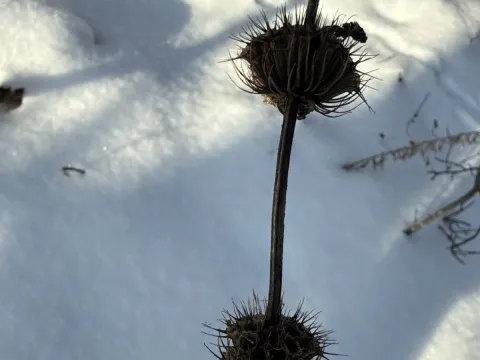
The plant demonstrates significant resilience to temperature fluctuations, showing excellent hardiness throughout the winter season. During the vegetative stage, moderate irrigation is beneficial, though mature plants show increased drought tolerance.
In terms of practical application, Phlomoides is frequently utilized in sustainable landscapes, beekeeping for honey production, and traditional pharmacology due to the presence of bioactive compounds in its foliage and roots.
Fungal pathogens represent the most common threat to the health of Phlomoides crops. Powdery mildew is particularly prevalent during periods of high humidity and poor air circulation, forming a characteristic white film on leaves.
Root rot occurs if irrigation practices are not properly managed or if the drainage of the field is inadequate. Preventing soil saturation is the primary defense against these detrimental fungal organisms.
Insect pests such as aphids and spider mites can infest the foliage, particularly in hot and dry weather conditions. These pests pierce the plant tissues, leading to stunted growth and reduced vigor of the crop.
Leaf-eating caterpillars may occasionally cause localized damage, necessitating careful monitoring. Integrated pest management strategies are advised to maintain the ecological balance within the planting area.
Effective sanitation practices, such as removing debris and ensuring adequate plant spacing, are crucial components of crop protection. These measures significantly reduce the incidence of both diseases and pest populations.