
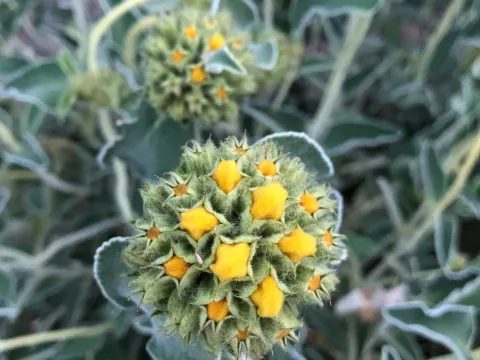
Phlomis monocephala
Phlomis monocephala
Phlomis monocephala is a perennial herbaceous plant belonging to the Lamiaceae family. It is distinguished by its single terminal inflorescence and robust stem structure, which is adapted to harsh growing conditions.
What the section contains
Phlomis monocephala
The plant originates from the arid and semi-arid regions of Central Asia, where it thrives in well-drained, stony soil types. It is highly valued for its adaptation to climates with limited precipitation.
Agricultural success with this crop requires full sun exposure. Inadequate light levels can significantly reduce the concentration of essential oils, which are the main commercial output of this plant.
Soil requirements focus on alkalinity and excellent drainage. Waterlogging is detrimental to the root system, often leading to rapid decline or decay in non-draining soil environments.
Cultural management involves minimal but precise irrigation. During the peak of the growing season, moderate moisture is needed, while during winter dormancy, the soil should remain relatively dry to ensure plant health.
The crop is prone to common greenhouse and field pests, such as aphids and spider mites, which can cause significant damage if populations reach economic threshold levels.
Fungal pathogens like powdery mildew are the most prevalent diseases, appearing as white patches on foliage when the relative humidity is consistently high during the warmer months.
Root rot represents a severe threat to Phlomis crops, particularly in areas with heavy clay soils or improper drainage systems that impede oxygen flow to the roots.
Integrated Pest Management (IPM) is recommended to control threats, prioritizing mechanical removal and biological control agents to preserve the medicinal purity of the harvested material.
Monitoring for early symptoms of nutrient deficiency or viral infections is essential, as these factors can weaken the plant and make it more susceptible to opportunistic secondary pathogens.