
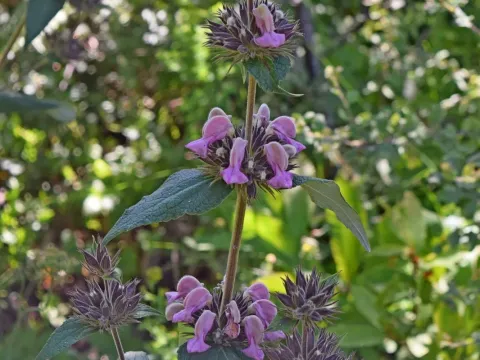
Phlomis samia
Phlomis samia
Sowing of Phlomis samia seeds should be performed either in late autumn for natural stratification or in early spring. Seeds possess a hard coat and often require cold stratification to ensure uniform germination.
What the section contains
Phlomis samia
For indoor propagation, seeds are sown in trays in March using a well-draining soil mix. Maintain a cool environment for seedlings to prevent them from becoming leggy and weak before transplanting.
Pricking out is performed once the first pair of true leaves appears. Plants should be kept in bright, airy conditions until they are robust enough for hardening off before moving outdoors.
Transplanting into the permanent garden site occurs in late May once frost risks have passed. Space individual plants at least 50 centimeters apart to accommodate the wide basal foliage rosette.
Vegetative propagation via division is recommended for maintaining specific characteristics. This is best carried out during the spring months while the plant is emerging from winter dormancy.
Phlomis samia thrives in full sun exposure. It is a Mediterranean-origin plant that demands high light intensity to maintain a compact habit and promote vigorous blooming during the season.
Soil quality must be lean and exceptionally well-drained. Sandy or rocky substrates are ideal, as the plant is highly susceptible to root rot if water remains stagnant around the crown.
As a member of the Lamiaceae family, this species is well-adapted to alkaline to neutral soil conditions. Heavy fertilizing is generally discouraged, as it may cause weak stems that require mechanical support.
Hardiness is sufficient for most temperate regions, though protection from harsh winter winds and excessive moisture is necessary. Applying a light mulch can help regulate soil temperature during winter.
Drought tolerance is a key feature of this plant. Once established, it requires minimal irrigation, surviving on seasonal rainfall and natural moisture levels present in the soil profile.
Harvesting for medicinal or ornamental purposes is timed with the peak flowering phase. Stems are cut carefully to avoid damaging the central root system, which is crucial for perennial survival.
The biomass yield is consistent once the plant reaches its third year. Proper drying techniques, involving shade and ventilation, are essential to preserve the volatile oils within the leaves and flowers.
Beyond traditional harvesting, Phlomis samia serves as an important pollinator plant. Its bloom cycle provides a steady source of nectar for local bee populations, enhancing overall garden biodiversity.
The plant demonstrates a high longevity, with well-managed stands capable of producing high-quality material for up to a decade. Pruning spent flowers can induce secondary growth late in the season.
Seed production is prolific in healthy specimens. Collectors can gather seeds in late summer for commercial use or for expanding the planting area in the following season.
The primary concern for Phlomis samia is root rot caused by poor soil drainage. This condition is most critical during the winter months when the plant is dormant and unable to utilize excess moisture.
Powdery mildew may occur if planting density is too high or if air circulation is insufficient. Thinning out plants and providing space helps reduce the humidity around the foliage.
Pests like aphids are generally minor and manageable. Biological controls, such as introducing beneficial insects or using neem-based products, are effective if significant infestations are detected.
Root-knot nematodes can occasionally affect growth in neglected soils. Adhering to a strict rotation schedule and ensuring high plant vigor are the best defensive measures against such pathogens.
Avoid chemical herbicides around these perennials, as the sensitivity of the species to synthetic compounds can result in permanent stunted growth or total plant failure.