
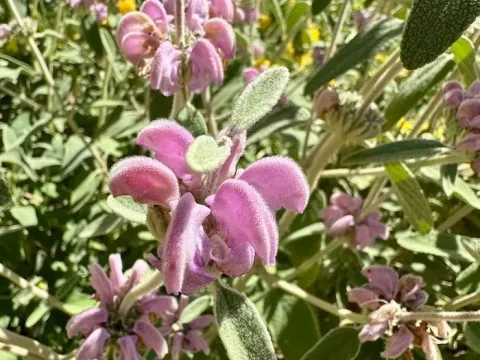
Phlomis syriaca
Phlomis syriaca
Phlomis syriaca, commonly known as Syrian sage, is a perennial flowering plant belonging to the Lamiaceae family. It is native to the Middle East and Mediterranean regions, where it thrives in rocky, arid, and sun-drenched environments.
What the section contains
Phlomis syriaca
The crop requires well-drained, nutrient-poor, or sandy soils to thrive. It is highly drought-tolerant, making it an excellent choice for xeriscaping or sustainable agricultural projects in warm, dry climates.
Botanically, the plant is distinguished by its velvety, greyish-green foliage, which serves as a natural defense against harsh sun and transpiration. Its yellow, whorled flowers appear in summer and are highly attractive to bees and beneficial insects.
Agricultural management focuses primarily on ensuring the plant has enough space for air circulation to prevent fungal issues. It does not require intensive fertilization, as excessive nutrients can negatively impact the quality of its medicinal compounds.
In addition to its medicinal use in herbal infusions for anti-inflammatory purposes, Phlomis syriaca is gaining popularity as an ornamental crop in landscaping due to its structural beauty and low maintenance needs.
The primary agricultural threat to this species is root rot caused by poor soil drainage. When the soil remains waterlogged for prolonged periods, the plant's root system is severely compromised.
Pest pressure is relatively low compared to other crops, though aphids may cluster on the flower buds during humid conditions, potentially affecting the purity of the harvested material.
Managing the weed population in the initial growth stages is essential, as the young seedlings of Phlomis syriaca do not compete well with vigorous invasive weeds.
Cultural practices should emphasize site selection with excellent natural drainage and full sun exposure to mitigate the risks associated with pathogenic infections.
Integrated pest management strategies are recommended, focusing on maintaining plant vigor through appropriate irrigation practices rather than relying on heavy chemical interventions.