
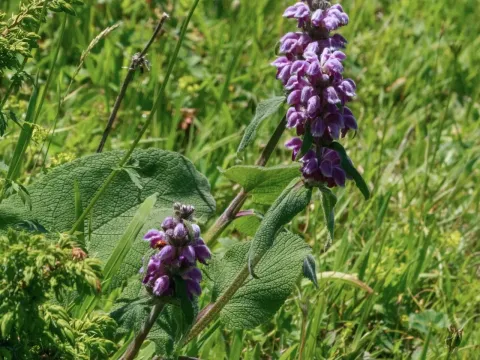
Phlomis oreophila
Phlomis oreophila
Phlomis oreophila, a perennial herbaceous plant belonging to the Lamiaceae family, is typically propagated via seeds. The seeds are characterized by a period of dormancy, which requires stratification to ensure high germination rates.
What the section contains
Phlomis oreophila
Sowing in open fields is best performed in late autumn, allowing the seeds to undergo natural winter stratification. This method leads to robust seedling emergence in early spring as the soil warms up.
If opting for spring sowing, seeds must be kept at low temperatures (near 0-5°C) for approximately 45 days prior to planting. Seeds are sown at a shallow depth of 1-2 centimeters in well-prepared, light soil to prevent them from rotting.
For greenhouse cultivation, sowing should commence in March using well-drained seed trays. Transplanting hardened seedlings to their permanent outdoor location occurs once the danger of late frost has passed, ensuring strong initial growth.
When planning the layout, maintain a spacing of at least 50-60 centimeters between plants. This distance is vital for promoting air circulation, which helps prevent moisture-related diseases while allowing the plant to develop its natural structure.
Phlomis oreophila is a xerophytic plant, meaning it is perfectly adapted to dry and harsh environments. It thrives in sunny locations with well-drained, stony, or sandy soil, and it performs poorly in swampy or constantly wet conditions.
Soil structure is critical; the plant prefers a neutral or slightly alkaline pH. If the soil is too heavy or rich in clay, incorporating sand or fine gravel is necessary to improve drainage and prevent root rot during wet periods.
The plant is highly frost-hardy and does not require winter protection, even in regions with severe winters. Its hardiness makes it a reliable choice for gardens and fields where other less robust species might struggle to survive.
Maintenance involves minimal intervention. Periodic weeding around the base of the plant in the first two years of development is essential, but as the plant matures, its dense growth naturally helps to suppress competing weeds.
Fertilization should be moderate. Focus on phosphorus and potassium-based fertilizers to improve plant health and increase the production of secondary metabolites, which are crucial for the plant's medicinal value.
Productivity in Phlomis oreophila is highest during the plant's prime years, typically between the third and sixth year of growth. Well-managed fields can yield approximately 1.5 to 2.5 tons of dried raw material per hectare.
The harvest consists of the aerial parts, specifically leaves and flowering tops. The quality and yield are directly linked to the timing of the harvest, which should occur when the plant is in full bloom to maximize chemical concentration.
To maintain high productivity, it is necessary to prune old, woody stems annually. This practice encourages fresh, vigorous growth from the base of the plant, ensuring that the plantation remains productive for a longer time span.
Post-harvest processing requires immediate drying to prevent spoilage. If the green mass is left in heaps, internal heating can cause fermentation and loss of essential oils, significantly reducing the final market value of the product.
Beyond medicinal use, the plant's resilience makes it a valuable crop for sustainable agriculture in arid regions. Its long-lasting blooming period also makes it an excellent choice for supporting local pollinator populations.
Aphids are the most common pests for Phlomis oreophila, particularly during the active growing season. They primarily attack young shoots and buds, but biological insecticides or insecticidal soaps can manage these populations effectively.
Root rot is the most significant disease, usually caused by improper irrigation or soil that remains saturated for extended periods. Preventive measures include choosing an appropriate planting site with excellent natural drainage.
Powdery mildew can occur in humid climates or where planting density is too high. Improving air circulation by pruning and ensuring correct spacing usually prevents the spread of this fungal infection effectively.
Rust may appear if plants are over-fertilized with nitrogen. To avoid this, maintain a balanced nutrient profile and avoid stagnant, humid air conditions around the base of the plant, which are conducive to fungal growth.
Slugs and snails can be problematic for young sprouts in the spring. Using physical barriers, such as a layer of sharp gravel or crushed eggshells around the base, can protect the plant without relying on chemical control methods.
The harvest period for Phlomis oreophila occurs during full flowering. At this stage, the plant's aerial parts contain the highest density of bioactive components, ensuring optimal quality for pharmacological and industrial use.
Cutting should be performed roughly 10-15 centimeters above the soil level. Using sharp, clean tools is important to avoid damaging the plant crown, which would jeopardize the recovery and future growth of the perennial root system.
Once harvested, the plant material must be dried in a well-ventilated, shaded area. Avoiding direct sunlight is crucial, as UV radiation can break down sensitive compounds and reduce the color quality of the dried herb.
The drying process is complete when the plant parts are brittle to the touch. Once sufficiently dry, the material should be processed or stored in a moisture-free environment to maintain its chemical potency for up to two years.
Strategic harvesting prevents depletion of the plant's energy reserves. A single harvest per season is recommended to allow the plant sufficient time to restore its metabolic resources and prepare for the winter dormancy period.