
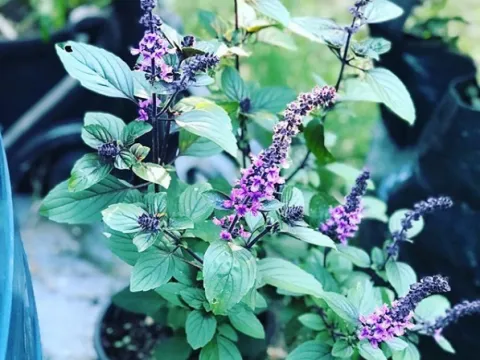
Hybrid basil
Ocimum hybrids
Hybrid basil belongs to the Lamiaceae family and is a heat-loving crop that thrives in sunny conditions. In temperate climates, seeds should be started indoors in late winter or early spring to ensure a long growing season.
What the section contains
Hybrid basil
Transplanting into the garden or greenhouse should occur only after the risk of frost has completely passed. Basil seedlings are highly susceptible to cold and may suffer stunted growth if exposed to temperatures below 12 degrees Celsius.
When sowing directly into the soil, seeds should be planted about 0.5 to 1 centimeter deep. A well-prepared seedbed with fine soil structure is essential for proper germination and the health of the young sprouts.
Proper spacing is crucial for hybrid basil, as it often produces a more robust canopy than traditional varieties. Maintaining 25 to 30 centimeters between plants allows for optimal air circulation, which prevents fungal issues.
Keeping the soil consistently moist is vital during the germination phase. Once the plants are established, the frequency of watering can be adjusted based on soil moisture levels and local weather conditions.
Hybrid basil requires at least 6 to 8 hours of direct sunlight per day to maintain its metabolic activity. Full sun exposure is the primary factor that determines the concentration of essential oils in the leaves.
Well-draining soil with a pH between 6.0 and 7.0 is ideal for successful cultivation. If the soil is heavy or clay-like, incorporating organic matter like compost can improve aeration and drainage, preventing root rot.
The optimal temperature range for growth is between 20 and 30 degrees Celsius. The crop is very sensitive to cold drafts and sudden drops in temperature, which can lead to rapid wilting or leaf drop.
Regular but controlled watering is necessary. It is recommended to water the base of the plant early in the morning, keeping the foliage dry to minimize the risk of developing leaf-spot diseases.
Monthly feedings with a balanced liquid fertilizer or the use of slow-release compost during the planting phase can provide sufficient nitrogen to promote rapid vegetative growth and harvestable biomass.
Hybrid varieties are specifically bred for high yield and uniformity. With proper maintenance, these plants can produce multiple harvests throughout the season as they recover quickly after pruning.
Yield efficiency is directly linked to the plant's structural development. Regular pinching of the growing tips encourages the plant to branch out, increasing the number of leaves available for the next harvest cycle.
Avoiding premature flowering is the most critical aspect of yield management. When the plant begins to produce flower stalks, the sugar content and aromatic quality of the leaves decrease significantly.
In well-managed garden settings, you can expect a continuous supply of fresh leaves until the late autumn cooling signals the end of the crop's lifecycle. A healthy plant can yield several kilograms of leaves per season.
The genetic stability of hybrid basil ensures that the plants are vigorous and produce consistent quality, which is highly beneficial for both home gardeners and commercial herb growers seeking reliable results.
Fungal pathogens such as Fusarium wilt and grey mold (Botrytis) are the most common threats to basil. These are usually encouraged by high humidity, poor air circulation, and waterlogged soil conditions.
Common insect pests include aphids and spider mites, which congregate on the undersides of leaves. Early detection is essential, as these pests can rapidly colonize the crop and cause leaf deformation.
Damping-off disease is a primary concern during the seedling stage. Using sterilized starting mix and ensuring good ventilation in the growing area are effective preventive measures against this pathogen.
Because basil is typically used for culinary purposes, it is recommended to manage pests using non-chemical methods like insecticidal soaps, neem oil, or by introducing predatory beneficial insects.
Crop rotation is an essential agricultural practice to prevent the build-up of soil-borne diseases. Avoiding planting basil in the same spot where other Lamiaceae family members have grown is a key preventive strategy.
The harvest should begin when the plant has reached a height of about 20 centimeters. Using sharp scissors or shears, cut the stem just above a pair of leaves to encourage the plant to continue growing.
Harvesting in the early morning is highly recommended because the plant's essential oil content is at its peak. This ensures that the harvested leaves have the most intense aroma and flavor possible.
After harvesting, basil should be handled delicately as the leaves bruise easily. For storage, it can be kept in a cool place or refrigerated, though it should be protected from direct cold air, which causes browning.
If you have an abundance of harvest, consider freezing the leaves. Blending the leaves with olive oil and freezing the mixture in cubes is an excellent way to store the flavor for long-term use.
Drying is another method, though hybrid basil with high essential oil content often retains better flavor when frozen rather than dried. Ensure all harvested material is clean and free from any surface moisture before processing.