
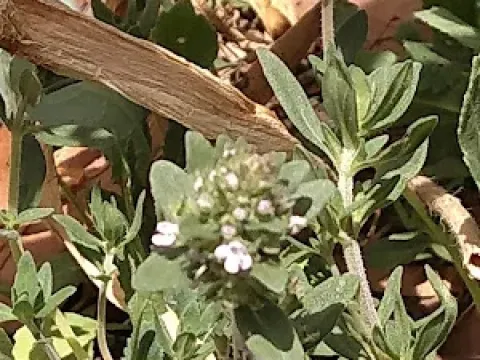
Hybrid savory
Satureja hybrids
Sowing of hybrid savory seeds in open ground is carried out in the spring, once the soil has warmed up to at least 10–12°C, usually in late April.
What the section contains
Hybrid savory
For greenhouse cultivation or early starts, seeds can be sown in trays during March, ensuring adequate light intensity for healthy seedling development.
Because the seeds are very fine, they should be covered with only a thin layer of soil, approximately 0.5–1 cm deep, to allow for optimal germination.
Germination can be relatively slow, so it is essential to keep the seedbed consistently moist without letting the surface crust harden and block sprouts.
Proper plant spacing is crucial for airflow, so thinning seedlings to leave 30–40 cm between plants is recommended for optimal yield and plant health.
Hybrid savory belongs to the Lamiaceae family and thrives in sunny locations with well-drained, fertile soil that has a neutral to slightly alkaline pH level.
This crop is highly drought-tolerant, meaning it performs better in slightly drier conditions rather than in heavy, waterlogged soils that promote root decay.
The plant requires plenty of sunlight to produce the essential oils that give it its characteristic spicy aroma and strong culinary flavor profile.
Regular maintenance, including weeding and hoeing, is important, especially during the early stages of growth, to reduce competition for nutrients.
Organic fertilization is generally sufficient for hybrid savory, as excess nitrogen can lead to rapid growth that is less aromatic and more susceptible to pests.
Yields of hybrid savory are determined by the amount of light exposure and the consistency of the harvest schedule throughout the growing season.
Well-established plants become quite bushy by the second year, allowing for multiple cuts of fresh foliage throughout the summer months.
Productivity can be significantly enhanced by regular pruning or pinching back the stems, which forces the plant to branch out and create more biomass.
Under optimal management, growers can expect a steady supply of high-quality foliage suitable for both fresh culinary use and drying for long-term storage.
Monitoring the soil nutrient status is essential, as healthy, strong-rooted plants consistently provide better yields than those stressed by poor soil conditions.
Hybrid savory is generally quite robust, but it can suffer from root rot if the soil drainage is inadequate or if the site becomes waterlogged after rain.
Pests such as aphids and spider mites may target the plant during periods of high heat or drought, so monitoring foliage health is advised.
Good cultural practices, such as maintaining proper plant density and avoiding excess moisture on leaves, are the best methods to prevent disease.
As this is a culinary herb, chemical pesticides should be avoided in favor of organic solutions or integrated pest management strategies if infestations occur.
Ensuring good air circulation around the base of the plant is vital to prevent fungal infections that often develop in dense, humid microclimates.
The best time to harvest hybrid savory is just as the flower buds begin to open, which is when the plant's essential oil concentration is highest.
For fresh use, young stems can be harvested at any time once the plant reaches a sufficient height of 15–20 cm, using sharp, clean shears.
Drying the foliage involves hanging bunches or spreading them on screens in a dark, airy location to preserve the aromatic compounds and color.
Once brittle, the leaves should be stripped from the stems and stored in airtight containers to maintain the potent flavor for several months.
Final harvests should be performed before the first autumn frost to ensure the root system is not damaged and can successfully overwinter.