
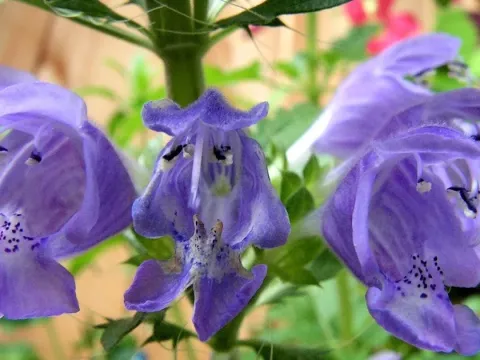
Hybrid dragonhead
Dracocephalum hybrids
Hybrid dragonhead is an herbaceous plant belonging to the Lamiaceae family, primarily grown for its aromatic properties. This crop produces essential oils with a characteristic lemon scent, making it highly valuable for culinary, cosmetic, and medicinal applications.
What the section contains
Hybrid dragonhead
Sowing should be carried out in early spring when the soil temperature consistently reaches 8–10 degrees Celsius. In regions with a short growing season, starting the crop in seedling trays can significantly improve the establishment rate in the field.
The seeds are small, so they require careful handling and shallow planting depths, typically between 1–2 cm. Covering seeds too deeply is a common cause of poor emergence in commercial dragonhead cultivation.
Optimal field layout involves row spacing of 30–45 cm to facilitate mechanical weeding and ensure that plants have adequate access to sunlight. Proper spacing is essential to maximize the development of biomass and the synthesis of aromatic oils.
After seeding, the field should be lightly rolled to improve soil-seed contact, ensuring uniform moisture uptake and consistent emergence across the entire planting area.
Dragonhead is a heat-loving crop that thrives in sunny, well-ventilated conditions. It is sensitive to late spring frosts, which can damage emerging seedlings and set back development in the early stages of the growing season.
The best soil types for dragonhead are fertile, well-drained loams or sandy soils. Avoid heavy, waterlogged soils, as poor drainage is the primary cause of root diseases and reduced essential oil yield.
The plant responds well to phosphorus and potassium fertilization, which are crucial for developing strong root systems and high-quality floral stems. Nitrogen levels should be managed carefully to avoid excessive vegetative growth at the expense of oil production.
Regular irrigation is needed during the establishment phase and periods of extreme heat. However, water management becomes critical during the flowering stage, where controlled moisture levels help in concentrating the volatile oil content in the plants.
As an excellent honey plant, dragonhead helps attract diverse pollinators to the farm. This biodiversity benefit is an advantage for farms practicing integrated pest management or those growing neighboring entomophilous crops.
Commercial yields for hybrid dragonhead biomass typically range from 10 to 20 metric tons per hectare, depending on soil fertility, moisture availability, and the specific hybrid variety being cultivated.
Oil yield is highly dependent on the timing of the harvest. Farmers must monitor the flowering stages closely, as the oil concentration peaks when the plants are in full bloom, just before seed set begins to take priority.
Seed production yields are generally around 500–1000 kg per hectare. Proper post-harvest handling of seeds is essential, including cleaning and drying to ensure viability for the next season's planting.
Efficient post-harvest processing is the key to profitability. If processed for essential oil extraction, the biomass should be transported quickly and processed to prevent degradation of the volatile aromatic compounds.
The market value of dragonhead is driven by the demand for natural flavoring agents and herbal extracts. Investing in high-quality processing equipment can significantly increase the value-added potential of the harvested raw material.
Powdery mildew is the most common disease for dragonhead, usually appearing in humid or poorly ventilated fields. Crop rotation and maintaining adequate space between plants are the best preventative measures against this fungal issue.
Root rot occurs in fields with poor drainage or excessive irrigation. Improving soil structure and managing water inflow is the primary management strategy to keep plants healthy throughout the growth cycle.
Pests like aphids and spider mites can infest the foliage, reducing plant vigor and oil quality. Producers should prioritize biological control agents where possible, reserving chemical intervention for severe outbreaks.
Early-stage seedlings are sometimes targeted by flea beetles. Regular monitoring during the first weeks after germination is necessary to prevent significant stand reduction.
Care must be taken when using pesticides, especially during the flowering stage, to protect pollinating insects. A sustainable approach to crop protection helps maintain the ecosystem services provided by honeybees and other beneficial fauna.
Harvesting for essential oil production should take place during the peak flowering stage. This timing ensures the highest concentration of desirable aromatic compounds in the plant tissues.
Mechanical harvesting using forage harvesters or mowers is standard for large-scale operations. It is crucial to move the biomass to the processing facility or drying area without delay to avoid fermentation or oil loss due to heat.
For high-quality dried herbs, use specialized drying facilities with active ventilation. Maintaining temperatures below 40 degrees Celsius ensures that the color, fragrance, and chemical properties of the plant remain intact.
When harvesting for seeds, farmers wait until the seed pods turn dark brown, indicating full maturity. Precision in timing is required to prevent pre-harvest loss due to seed shattering in the field.
After cleaning and sorting, seeds must be stored in cool, dry conditions, preferably in airtight containers, to prevent humidity from affecting quality and germination capacity during long-term storage.