
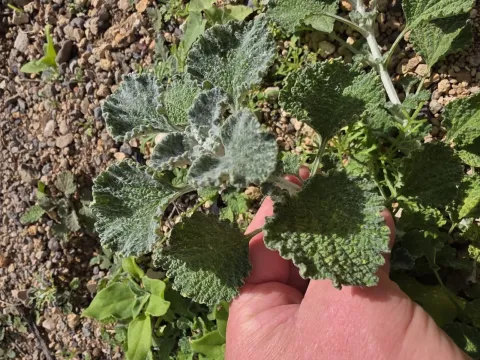
Horehound
Marrubium
Sowing of white horehound seeds is primarily carried out in the spring, once the soil has warmed to a temperature of 10–12 degrees Celsius. The optimal timing is late April or early May, which allows the plants to establish strong root systems before the heat of summer.
What the section contains

Horehound
In regions with mild climates, late autumn sowing in October is possible, which facilitates better seed stratification and earlier germination in the following season. Seeds are sown in rows with a spacing of about 45–60 centimeters to ensure adequate growing space.
The planting depth should not exceed 1–2 centimeters, as the seeds are quite small and require good contact with moist soil to germinate successfully. It is recommended to lightly roll the soil after sowing to ensure proper seed-to-soil contact.
Seedlings typically emerge 15–20 days after sowing. During this early stage, it is crucial to keep the soil moderately moist, which is vital for the development of the young plants' root systems.
Once the plants reach the two-to-three true leaf stage, thinning should be performed to maintain a distance of at least 20–30 centimeters between plants within the row, preventing overcrowding and competition.
Horehound belongs to the Lamiaceae family and is a perennial herb known for its high ecological plasticity. It prefers open, sunny locations, as shade significantly reduces the concentration of essential oils in its tissues.
The crop is not demanding regarding soil quality, but it thrives best on light, loose, and well-drained loams or sandy soils. A neutral to slightly alkaline soil pH is an important prerequisite for optimal growth.
The plant exhibits high drought resistance, making it suitable for cultivation in poor soils and regions with limited rainfall. It does not tolerate waterlogging or stagnant water, which can lead to root rot.
Agrotechnical practices include regular cultivation between rows to conserve moisture and ensure soil aeration. Weed control during the first year of growth is essential, as horehound grows slowly and can be easily outcompeted by aggressive weeds.
This plant is an excellent honey producer, making it a popular choice for apiary sites. It is hardy enough to survive moderate frosts, although in harsh, snowless winters, it may benefit from light winter protection in northern regions.
The yield of green mass depends on maintenance and soil fertility, averaging between 15 and 25 centners of dry herb per hectare in commercial production. The plantation reaches maximum productivity in its second or third year.
Harvesting should be conducted during the peak flowering period, when the concentration of biologically active compounds, such as marrubin and various flavonoids, is at its highest. This timing ensures the best pharmacological quality.
While two cuttings per season can increase total productivity, it is important to leave sufficient leaf mass for the plant to recover and successfully overwinter.
Economic uses include pharmaceutical applications as an expectorant, as well as the food industry for flavoring beverages and confectionery, making the crop profitable with effective marketing.
Seed yield in commercial seed production plots is typically around 2–3 centners per hectare, providing sufficient material for expansion or market sale.
Horehound is noted for its strong phytosanitary resistance, meaning typical pests usually cause only minor or episodic damage. Aphids are the most common pest, occasionally affecting young shoots during periods of active growth.
Failure to follow proper agricultural practices, particularly in overly wet soils, can lead to the development of fungal root rots. Crop rotation and avoiding high planting densities are key preventive measures.
Powdery mildew may affect leaves in seasons with high humidity and fluctuating temperatures. This manifests as a white coating, requiring timely removal of affected parts or the application of organic bio-fungicides.
Spider mites may be a concern during hot, dry periods, potentially weakening the plants. In most cases, however, horehound effectively resists environmental stressors due to the high content of bitter compounds in its tissues.
Maintaining the site free from other Lamiaceae weeds is crucial, as they can serve as reservoirs for diseases that may spread to the horehound crop.
Harvesting is performed by mowing the above-ground portion of the plant at a height of 10–15 centimeters above the soil surface. Using mechanized equipment significantly speeds up the process on larger plantations.
Immediately after cutting, the raw material should be dried to prevent the oxidation of essential oils and the loss of biological activity. Drying is best done in the shade under cover or in specialized dryers at temperatures not exceeding 40 degrees Celsius.
Properly dried herb retains a grayish-green hue and a characteristic bitter, aromatic scent. Store the finished product in dry, well-ventilated areas, using bags or paper packaging.
Adherence to harvest timing is critical; delaying the harvest causes the stems to become woody and the content of beneficial compounds to decline. The ideal time is when the main mass of flowers begins to open.
Harvest residues can be incorporated into the soil as organic matter, helping to improve soil fertility for subsequent crops in the rotation.